As the globe observes World Diabetes Day on Saturday, November 14, global health authorities are rallying behind a critical 2026 theme: “Early action on diabetes”.
While public health campaigns typically focus on managing established cases, a hidden medical crisis is unfolding during the phase — Millions of individuals with slightly elevated blood sugar levels are unknowingly sustaining irreversible damage to their vision long before they ever cross the threshold into a formal diagnosis.
Highlighting the severe long-term trajectory of chronically elevated glucose, the United Nations said, “Diabetes causes severe health impacts over time, including a significant increase in the risk of , strokes and blindness.”
Dr Rommel Tickoo, Senior Director of Internal Medicine at Max Healthcare, emphasised that the physiological pathway to blindness does not wait for a full diagnosis.
He told LiveMint that the danger begins much earlier than most assume. “There is a common misconception that diabetic eye complications only happen after years of living with severe, uncontrolled .”
“The reality is that the delicate blood vessels in the retina can start taking damage during the pre-diabetes stage, long before a patient receives an official Type 2 diagnosis,” Dr Tickoo explained.
Dr Antariksh J Mohta, Consultant Ophthalmologist at Dr Agarwals Eye Hospital, told LiveMint that the absence of symptoms often provides a false sense of security.
“Pre-diabetes is often called a silent condition, and the same is true of its effect on the eyes. Many people with slightly raised blood sugar feel well and have normal vision, yet the tiny blood vessels of the retina can already be under strain,” Dr Mohta said. “Studies have found early retinal changes, similar to those seen in diabetic retinopathy, in some people who have not yet been diagnosed with diabetes. Because these changes cause no pain or loss of sight at first, they are easily missed.”
Because the early stages of diabetic retinopathy can quietly develop without causing immediate visual disturbances, relying on noticeable symptoms is a dangerous strategy, Dr Tickoo warned, saying, “By the time symptoms appear, the damage is often irreversible.”
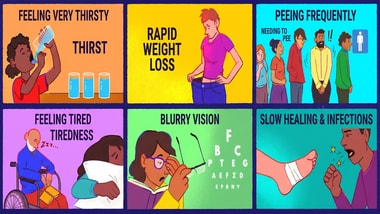
The World Health Organisation (WHO) took to X to remind the public of crucial warning signs, noting that delayed diagnosis can be life-threatening. “Seek medical advice immediately if you spot symptoms of type 1 #diabetes: Rapid weight loss, Thirst, Tiredness, Needing to pee, Blurred vision,” they urged.
Union Minister Dr Jitendra Singh urged a shift from reactive treatments to aggressive early intervention and wrote on X: “On #WorldDiabetesDay, let us renew our commitment to raising awareness about Diabetes, emphasising the importance of early diagnosis, timely intervention and effective management.”
“As a Diabetologist and Physician, I firmly believe that awareness, regular health check-ups, balanced nutrition and an active lifestyle are the key to preventing and managing diabetes,” Singh said. “Early detection, informed choices, and consistent care can make a lasting difference.”
“This year’s World Diabetes Day theme is ‘Early action on diabetes’, and from an internal medicine perspective, that means getting to the root cause immediately,” Dr Tickoo told LiveMint.
He strongly advised patients not to ignore borderline test results. “If your routine blood tests show even slightly elevated fasting blood sugar, you cannot afford to wait. Aggressive lifestyle management and an immediate baseline eye screening are critical.”
“We need to stop treating diabetes only after it hurts, and start catching it when it is completely preventable,” he added, calling for an urgent need for a proactive healthcare approach.
“The good news is that pre-diabetes can often be reversed or delayed,” Dr Mohta said, detailing what this early action should look like. “I advise anyone who is overweight, has a family history of diabetes or high blood pressure, or leads a sedentary life to get their blood sugar checked regularly. A balanced diet low in refined sugar, around 150 minutes of exercise a week and modest weight loss make a real difference. Keep blood pressure and cholesterol under control and avoid smoking.”
“Most importantly, have a comprehensive dilated eye examination when pre-diabetes is diagnosed and repeat it as your ophthalmologist advises, usually once a year,” Dr Mohta urged. “Sudden blurring, new floaters, flashes of light or a dark curtain in your vision needs urgent attention. Early detection protects your sight.”
Talking to the Press Trust of India (PTI), Padma Shri awardee and endocrinologist Dr Shashank Joshi called for “educating and empowering people living with diabetes,” while highlighting “insulin’s vital role in managing the condition and preventing complications.”
The Ministry of Health also urged citizens to prioritise their well-being in a recent post on X: “Busy schedules can wait. Your health deserves attention. This World Diabetes Day, put balanced meals, regular physical activity and timely health checks on your daily to-do list. Early diagnosis and timely care matter.”