



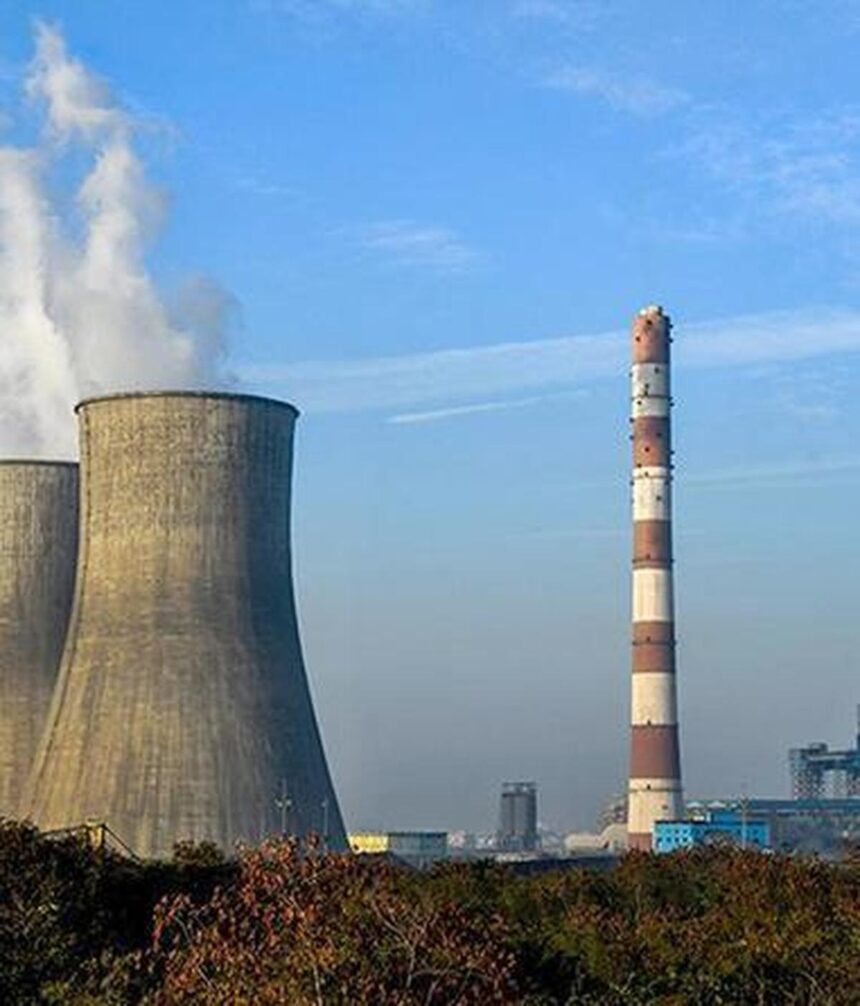
Almost 38 per cent of the 175 domestic coal-based (DCB) power plants, with a combined installed capacity of 206.75 GW, were critically low on coal stocks as of September 20, highlighting the impact of rain-related supply disruptions amid sustained power demand.
According to the National Power Portal, the number of DCB plants with critical stocks — less than 25 per cent of their normative coal stock requirement — rose to 65 from 60.
More than half of the 15 imported coal-based (ICB) plants, with a combined capacity of 17.77 GW, were also in the critical-stock category. The number of such ICB plants rose to eight from five.
Cumulative coal stocks at DCB plants stood at around 19.9 million tonnes (mt) against a daily requirement of 2.94 mt. They also held around 5.41 lakh tonnes of imported coal.
ICB plants had around 2.37 mt of imported coal and 72,200 tonnes of domestic coal, against a daily requirement of around 1.88 lakh tonnes. The key challenge has been the mismatch between rising demand and coal transportation capacity.
Prolonged rains across the eastern coal belt disrupted mining operations and hampered fuel evacuation. Between April and August, rake loading rose only around 5 per cent and coal receipts 3 per cent, even as coal consumption increased, according to Crisil Intelligence. As a result, incremental coal evacuation was insufficient to replenish inventories at power plants.
To ease the situation, Coal India allowed power plants with fuel supply agreements to lift additional coal by road, alongside rail transport, from September 7, Crisil said.
Coal stocks at power plants act as a buffer to ensure uninterrupted generation. Plants typically receive coal on a daily or continuous basis.
DCB plants held 35.13 mt of coal at the end of July, but stocks fell to 26.04 mt by end-August. They declined further to 25.57 mt on September 1, 23.93 mt on September 5, 22.54 mt on September 10 and 21.23 mt on September 15.
Stocks at ICB plants followed a similar trajectory.
Between April and August, coal consumption by thermal power plants rose around 8 per cent year-on-year to 395 mt, driven by a 9.5 per cent increase in power demand following an abnormally hot summer and a below-normal South-West monsoon.
Cumulative rainfall between June and August was 13 per cent below the Long-Period Average, Crisil Intelligence said.
Published on September 21, 2026