



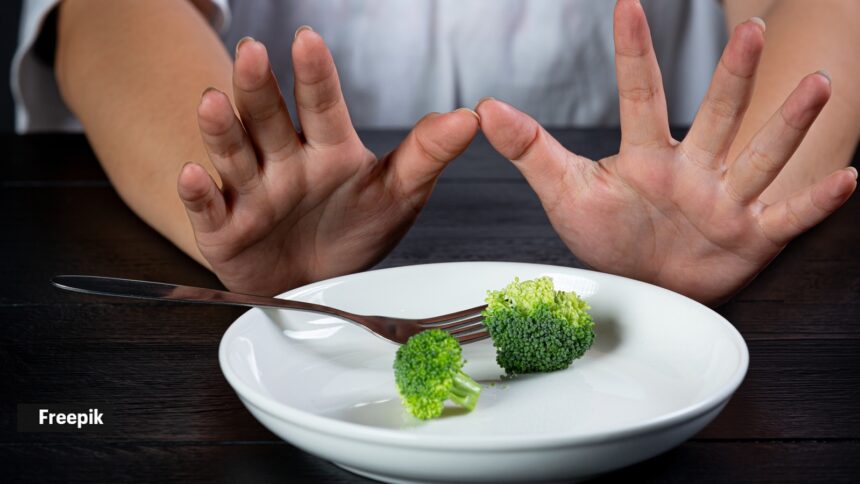
During the summer, many people respond to low appetite by eating less. Physiologically, heat changes how your body handles food, not just how much you feel like eating. Celebrity nutritionist Pooja Makhija talks about two shifts that happen in her latest Instagram post:
1. Fluid loss quietly increases nutrient demand: You’re not just losing water—you’re losing electrolytes that support nerve function, muscle contraction, even appetite regulation.
2. Protein needs don’t drop with : In fact, inconsistent protein intake in hot weather is one of the biggest reasons for fatigue that lingers, slower recovery and increased evening cravings.
Her solution? Prioritise hydration and make protein non-negotiable in your summer diet.
DISCLAIMER: This article is based on information from the public domain and/or the experts we spoke to. Always consult your health practitioner before starting any routine.
Dr Misba Begum, MSc. Clinical Nutrition, Apollo Clinic, Velachery, agreed, adding that the summer appetite phenomenon refers to the change in eating patterns many people experience during hot weather: often feeling less hungry or eating differently than they do when it is cooler outside.
“As a result of the body trying to keep its temperature down, digestion slows down. Because of this, most people do not want to consume heavy meals and skip meals or eat very little as a result of this. On the other hand some people will begin to crave cold drinks, ice cream, or light snacks instead of regular meals,” she tells indianexpress.com.
Dr Begum elaborates that these effects are generally caused by heat and a loss of fluids due to dehydration. “When the body is overheated, it prioritises cooling itself, thus reducing the amount of hunger signals sent to the brain. Also, because of increased sweating in the summertime, people lose more water and electrolytes through sweating and this can cause fatigue, feelings of fullness or no appetite,” she says. According to her, high temperatures can also have some effect on the hormones that regulate hunger and digestion, causing some changes in people’s normal eating habits.
Dr Begum believes failure to monitor this behaviour could have detrimental consequences, as many people will use cold drinks, packaged juices or sweets to replace meals that were once considered healthy.
To manage summer appetite changes effectively, Dr Begum says that the focus should be on consuming light yet nutritionally balanced meals. “Suitable options include fresh fruits, salads, curd or buttermilk, along with easy-to-digest home-cooked foods. Maintaining adequate hydration is equally important, especially during hot weather,” she suggests.
Drinking sufficient water throughout the day is crucial.
“Foods with high water content such as watermelon, cucumber, muskmelon, coconut water, lemon water, and fresh fruit-based drinks without added sugar and curd-based preparations can be especially beneficial during summer and can help maintain hydration and electrolyte balance,” advises Dr Begum.
Finally, she adds that eating small, healthy meals at regular intervals can help prevent fatigue, weakness, and overeating later in the day. At the same time, excessive intake of sugary beverages, fried foods, packaged snacks, and excess caffeine should be limited, as these may worsen dehydration and sluggishness.
Listening to the body’s hunger and thirst cues while maintaining balanced nutrition can help people stay healthy, energized, and comfortable during the summer season.
DISCLAIMER: This article is based on information from the public domain and/or the experts we spoke to. Always consult your health practitioner before starting any routine.

