



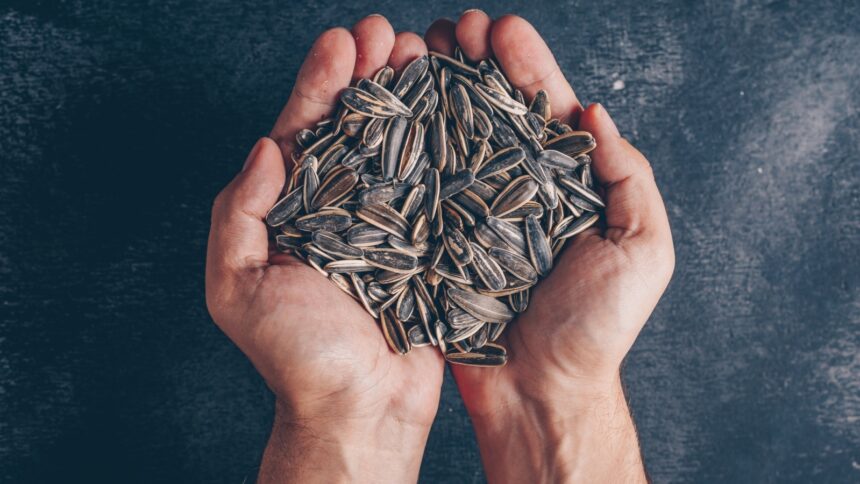
Sunflower seeds are a popular snack, but what about the shells? Many people accidentally eat them or wonder if they’re safe. Dt Ginni Kalra, Head of Dietetics at Aakash Healthcare, explains why sunflower seed shells aren’t as harmless as they seem.
“Sunflower seed shells are not poisonous, but they are not designed for digestion,” says Dt Kalra. “They are extremely fibrous and dense, which makes them difficult for the
While small amounts may pass through the digestive system without issue, their rough texture can still cause discomfort. “The concern is not toxicity, but irritation caused by their jagged structure,” she adds.
DISCLAIMER: This article is based on information from the public domain and/or the experts we spoke to. Always consult your health practitioner before starting any routine
Problems can arise when larger quantities are consumed. “If someone eats a lot of sunflower seed shells, they may not digest and can clump together,” explains Dt Kalra. “This can irritate the stomach or intestines and, in rare cases, even lead to a blockage—especially in children.”
Common symptoms include abdominal pain, constipation, and difficulty with bowel movements. “Most mild symptoms resolve on their own, but persistent or severe discomfort should not be ignored,” she warns.
Regular consumption is not advisable, says Kalra. “Eating seed shells frequently can lead to ongoing mechanical irritation of the gut lining,” says Dt Kalra. “Over time, this may contribute to constipation and can worsen conditions like hemorrhoids or anal fissures.”
She emphasises that long-term risks are linked to repeated irritation rather than any toxic effect. “It’s about poor digestibility and the physical impact
“You should always crack the shell and consume only the seed inside,” advises Dt Kalra. “The shell should be thrown away after extracting the edible part.”
If you accidentally swallow some shells, monitoring your symptoms is key. “Watch for signs like persistent pain, vomiting, or inability to pass stool, as these could indicate a blockage,” she says. “In such cases, medical attention is necessary.”
DISCLAIMER: This article is based on information from the public domain and/or the experts we spoke to. Always consult your health practitioner before starting any routine

