



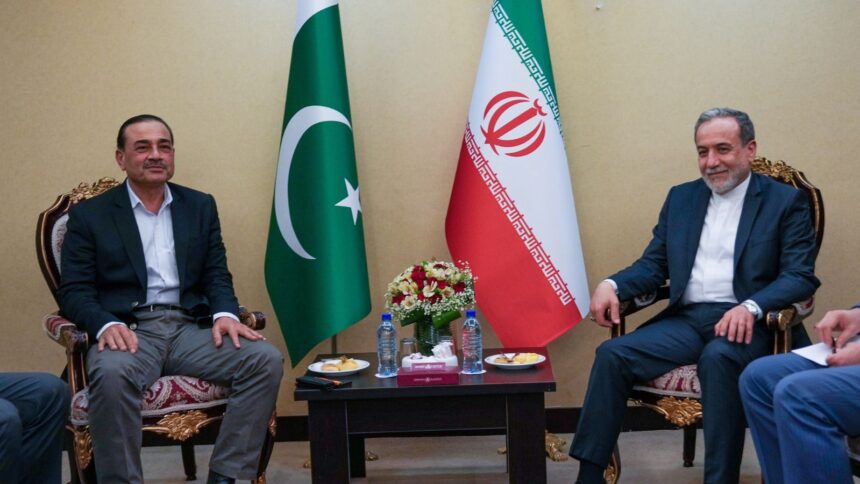
Pakistani Army chief Field Marshal Asim Munir met with Iranian officials in Tehran on Thursday, April 16, in a renewed diplomatic push to ease tensions and facilitate a second round of talks between the United States and Iran after nearly seven weeks of conflict.
The visit comes amid fragile ceasefire efforts and growing international pressure to resume negotiations, with Pakistan emerging as a key intermediary after hosting initial talks between Washington and Tehran in Islamabad.
Pakistan said recent diplomatic engagements by Prime Minister and
“Pakistan is being recognised for its constructive diplomatic engagement in supporting de-escalation, ceasefire efforts and a broader pursuit of stability between the United States and Iran,” Foreign Ministry spokesman Tahir Andrabi said.
Officials, however, said no date has been finalised for the next round of talks.
A senior Iranian official told news agency Reuters that while some progress has been made under Pakistani mediation, major differences persist, particularly over Tehran’s nuclear programme.
“The trip of the Pakistani army chief to Tehran was effective in reducing differences in some areas, but fundamental disagreements still remain in the nuclear field…. More hopes have been created for extending the ceasefire and holding a second round of talks,” the official said.
“The fate of Iran’s highly enriched uranium and the duration of Iran’s nuclear restrictions are among the highly disputed issues for which no solution has yet been found.”
Speaker Ghalibaf held a meeting with Pakistan’s Chief of Defence Forces (CDF) Field Marshal Syed Asim Munir in Tehran.
— Tehran Times (@TehranTimes79)
Amid the diplomatic push, China called for the reopening of the Strait of Hormuz, underlining its global significance. Chinese Foreign Minister Wang Yi told his Iranian counterpart Abbas Araghchi that restoring normal passage through the strait was a shared international priority.
“Working to resume normal passage of the strait is a unanimous call from the international community,” Wang was quoted as saying.
The diplomatic efforts come alongside heightened US pressure on Iran. The United States has imposed a naval blockade on Iranian ports, while Treasury Secretary Scott Bessent warned of further economic action.
He described potential new sanctions as the “financial equivalent” of a bombing campaign, signalling an escalation in economic measures targeting Tehran.
The White House has indicated that any future negotiations would likely take place in Islamabad, though no formal decision has been made.
The previous round of talks failed to secure a breakthrough, even as hopes remain that the ongoing ceasefire could be extended to allow more diplomacy.
The war, which began on February 28 following joint US-Israel strikes on Iran, has triggered wider regional instability, including tensions involving Lebanon and disruptions to global energy supplies.
While diplomatic channels remain open, deep divisions—particularly over Iran’s nuclear programme—continue to complicate efforts to reach a lasting agreement.

