



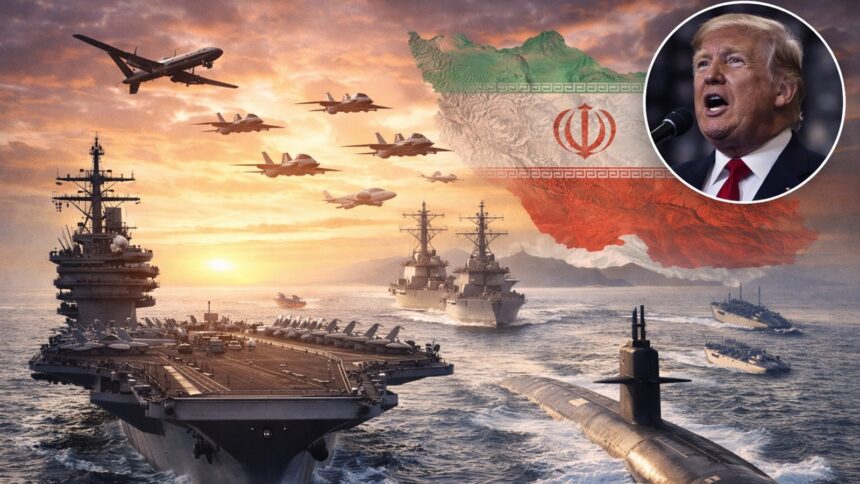
Iran and the United States are navigating a , which is aimed at pausing hostilities in the West Asian region, as Tehran is expected to respond to Washington’s ceasefire proposal to end the over two-month-old conflict.
As Iran and the US both advance toward an agreement, a one-page MoU by Washington proposes to resolve sticking points in the 30-day negotiation period, and come to a settlement over issues such as Iran’s nuclear programme, Tehran’s frozen assets and security in the Strait of Hormuz, CNN reported, quoting a regional source.
Ceasefire duration: In Iran’s 14-point proposal to end the conflict in West Asia, the Islamic nation pushed to focus on ending the war instead of extending the ceasefire, and suggested resolving all the issues within 30 days of finalising the agreement. The 30-day window would reportedly be for negotiations on a broader agreement.
Strait of Hormuz: President paused the “Project Freedom”, which was aimed at guiding commercial ships to cross the key waterway; however, the US blockade of Iranian ports is currently ongoing.
One of the defining issues of the war has been Iran’s leverage over Hormuz, which is responsible for the passage of 20 per cent of global oil supply. Tehran has called for a new mechanism to control the narrow waterway.
14-point proposal: Iran’s 14-point proposal was in response to Washington’s nine-point peace plan, which sought a two-week ceasefire, CNN reported. In the proposal, Iran reportedly stated that it wants to end the war and seeks a guarantee from the United States against future attacks, while adding a complete withdrawal of American forces from the region (around Iran).
Trump has made Iran’s nuclear issue a “red line”, but the Islamic Republic expects its right to uranium enrichment to be guaranteed as a signatory to the Non-Proliferation Treaty (NPT). Iran expects the sanctions, which have crippled its economy, to be waived in the bargain to end the conflict.
Nuclear issue: The one-page memo, which the United States has touted, would eventually declare an end to the war in West Asia, but it omits the key Washington demand that Iran suspend its nuclear work. The fate of Tehran’s enriched uranium stockpiles remains elusive, and whether or not the Iranian government will halt its nuclear activities, Reuters reported.
. on Iran: “They’re militarily defeated. In their own minds, maybe they don’t know that — but I think they do because I deal with them. We cannot ever let Iran have a nuclear weapon.”
— Rapid Response 47 (@RapidResponse47)
Regional security architecture: The question of who would control the Strait of Hormuz and other long-term security architecture in the region still remains unresolved as the West Asia crisis continues to choke the global energy supply chain.
Iran had earlier said that it has implemented a new mechanism to govern the maritime traffic for ships passing through the Strait of Hormuz, which meant the vessels would have to secure a mandatory transit permit before crossing one of the oil shipping’s critical chokepoints.
United States: President Donald Trump’s administration, via Vice President JD Vance, envoys Steve Witkoff and Jared Kushner, has been leveraging their position with the US Navy’s naval blockade of Iranian ports and Strait of Hormuz, alongside economic sanctions to bring Iran to the negotiation table on several issues, including the nuclear programme.
Iran: The country faced US-Israel attacks in June last year, and a full-fledged war was announced by both the nations on February 28, but Tehran has stuck to its demands of lifting economic sanctions, unlocking frozen assets and continuing uranium enrichment.
Israel: Prime Minister ’s government has clarified that they support the US-Iran ceasefire in the region but have categorically said that issues regarding the militant group Hezbollah in Lebanon is a separate matter.
Oil prices: The war in West Asia has made the oil prices highly volatile, and the trajectory of crude has remained unpredictable, while soaring to new heights when oil refineries in the UAE, Saudi Arabia, among others, were attacked and plunging to a lower level when Trump announced a truce in the region.

