



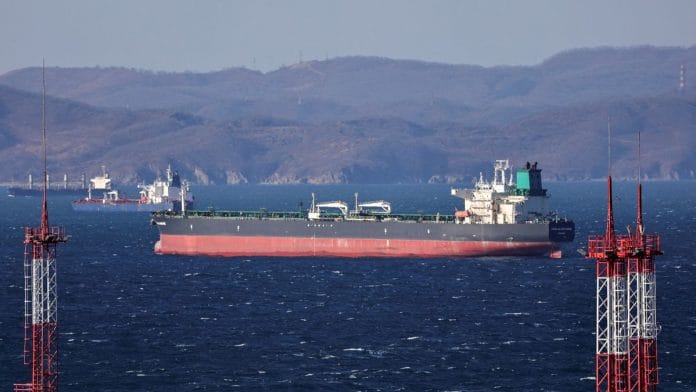
The waiver for Russian oil was first issued on 5 March, when the US Treasury allowed a 30-day exemption for crude already loaded on vessels to be delivered to India. The move aimed to prevent supply disruptions and keep global oil prices stable amid the West Asia conflict. This waiver expired on 11 April and has not been renewed.
A similar waiver for Iran allowed the sale and delivery of Iranian-origin crude already loaded on ships before 20 March, with a deadline of 19 April. Unlike Russia, Iranian oil remains fully sanctioned, and the waiver only allowed cargoes already “on water” to be cleared.
According to Sumit Ritolia, Manager for Oil Markets and Modelling Refinery at market intelligence firm Kpler, the US move has important implications for India, but does not signal an immediate shift away from Russian crude.
“The recent decision by the US to not extend or expand waiver timelines on transactions involving Iranian oil, alongside continued scrutiny around Russian-linked entities, has important implications for India’s crude sourcing strategy,” he wrote on LinkedIn Friday.
He noted that a key distinction is often missed that Russian oil itself is not sanctioned, but specific entities, vessels and financial channels are, whereas Iranian oil remains entirely under sanctions. For India, this means Iranian crude is effectively off the table after the 19 April deadline, as refiners are unlikely to risk regulatory exposure despite its past importance in India’s import mix.
Russian crude, however, will remain central to India’s energy basket, though with tighter compliance requirements. Refiners will need to ensure that procurement avoids sanctioned sellers and intermediaries, uses non-sanctioned vessels, and relies on compliant financial and insurance channels.
Citing Kpler data, Ritolia wrote that India’s Russian crude imports through 17 April are tracking at around 1.5 million barrels per day, about 450,000 barrels per day lower than March. However, this dip is partly due to the 35-day maintenance that started in the second week of April at Nayara Energy’s refinery which is fully dependent on Russian crude.
The broader point is that Russian crude flows to India are likely to remain stable in the near term, given its reliability amid uncertainties around the Strait of Hormuz. “India is unlikely to move away from Russian crude in the near term. Instead, we should expect more documentation, tighter screening rather than a structural shift in sourcing,” Ritolia added.
(Edited by Nardeep Singh Dahiya)

