TVS Motor is restructuring its loss-making Swiss e-bike business, agreeing to transfer select assets and liabilities to a strategic investor, as mounting losses at its overseas ventures sharpen scrutiny of returns from its global expansion strategy.
The move comes after the Swiss e-bike subsidiary reported a loss of ₹434.71 crore in FY26, while British motorcycle brand Norton posted a loss of ₹723.43 crore. Together, the two businesses incurred losses of ₹1,158.14 crore on combined revenue of ₹632.54 crore before consolidation adjustments.
“TVS Motor has agreed to transfer select assets and liabilities associated with its Swiss e-bike retail operations to a specialist investor, while retaining its product portfolio and brands,” a company spokesperson told businessline.
The restructuring marks TVS’ first concrete move to rein in losses from its European e-bike operations, which have been hit by inventory imbalances, supply-chain disruptions and shifting consumer demand. The Swiss subsidiary generated revenue of ₹598.19 crore in FY26 but remained deeply loss-making. TVS did not disclose the investor’s identity, transaction value, expected savings, completion timeline or potential impairment exposure.
“For those businesses, we have curtailed losses, and we will continue to curtail losses going forward,” Managing Director and CEO KN Radhakrishnan told analysts during the company’s Q2 FY27 earnings call, referring to the European e-bike business.
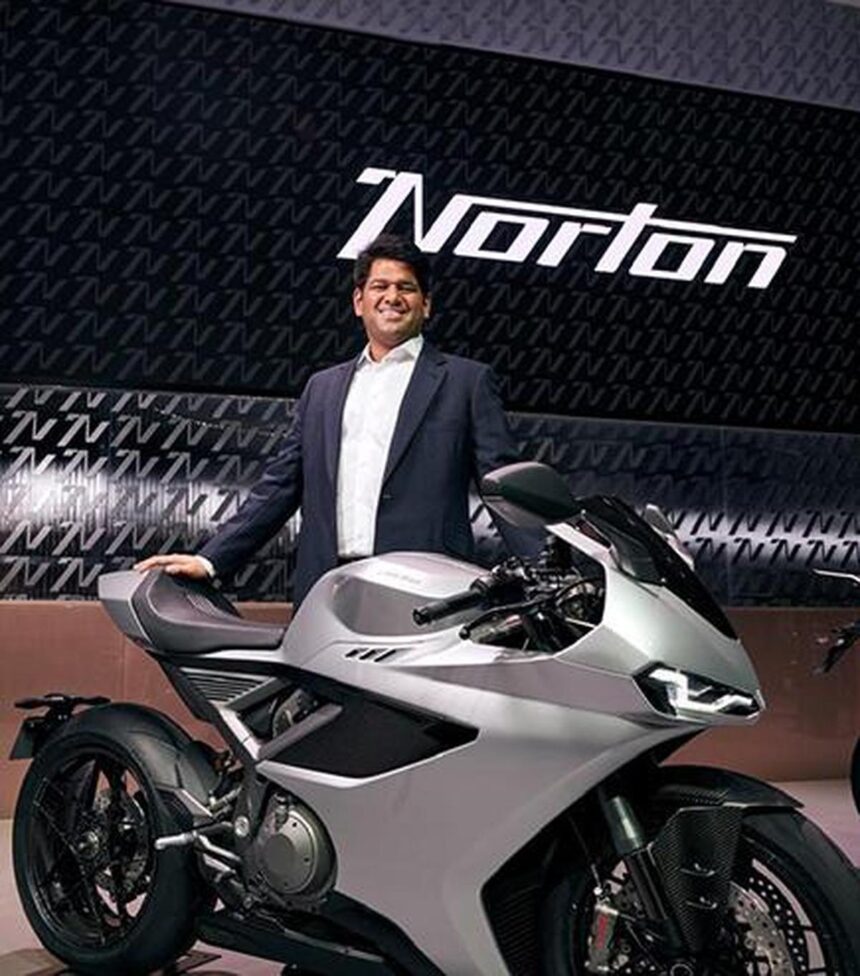
The bigger challenge, however, remains Norton. The British motorcycle maker has accumulated nearly ₹1,976 crore in losses since FY21. In FY26 alone, its loss widened 87 per cent, while revenue declined 16 per cent to ₹34.35 crore, meaning losses exceeded 21 times annual turnover.
TVS, which has invested more than £250 million (over ₹3,000 crore) in Norton since acquiring the brand in 2020, said the expenditure reflects investments in product development, manufacturing readiness and market-building. In June, the company began production of the Norton Atlas and Atlas GT at its Hosur facility for global markets and has since confirmed customer deliveries in Europe through a network of more than 50 retailers across 10 countries.
However, TVS has not disclosed production volumes, retail sales, installed capacity, additional funding requirements or a timeline for profitability.
Defending its international strategy, TVS said overseas acquisitions complement partnerships such as BMW Motorrad and Hyundai while helping build proprietary brands, engineering capabilities and market access. The company operates in more than 90 countries and reported international sales of over 15.9 lakh vehicles in FY26, with overseas volumes growing 35 per cent in the September quarter.
TVS also pointed to its Indonesian operations, which have been profitable since 2020 and have crossed one million vehicles in cumulative production, as evidence that global investments take time to mature. “It demonstrates how strategic investments, supported by patient and disciplined execution, can develop into sustainable businesses,” the spokesperson said.
The Swiss restructuring nevertheless highlights growing pressure on the company to show that years of heavy investment in Norton and other overseas ventures can translate into profitable growth and meaningful returns.
“Ultimately, no international investment strategy should be evaluated solely on geographic presence, capital deployed, or the number of products introduced. The measures that matter are sustainable customer demand, profitable growth, operating efficiency, returns on investment, and the development of enduring competitive advantages,” the spokesperson said.
Published on November 26, 2026