



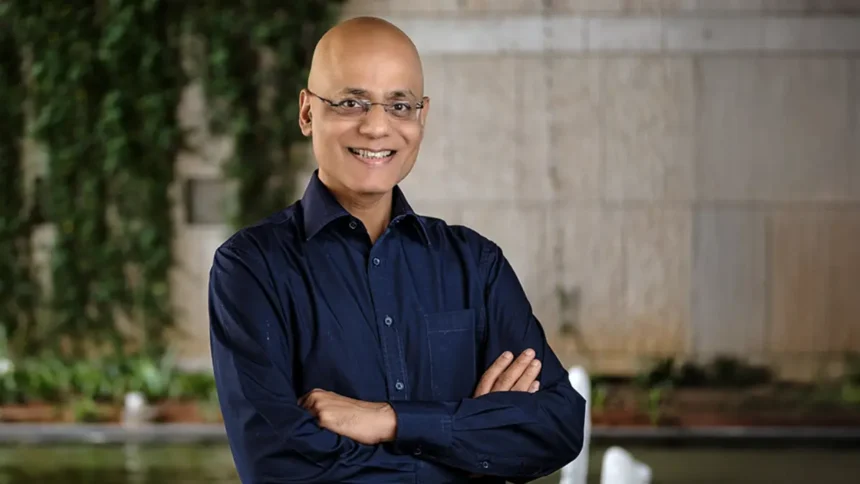
Titan Engineering & Automation (TEAL), the engineering arm of Titan Company, expects semiconductors to become a significantly larger contributor to its business, with the segment potentially accounting for around 20 per cent of sales in the next four to five years, up from 5–10 per cent currently, MD & CEO Sridhar N P told businessline.
The company is already in discussions with OSATs, or outsourced semiconductor assembly and testing companies, as it looks to build equipment capabilities for India’s emerging semiconductor manufacturing ecosystem.
“Today, if you see, if I could look at that as an industry, its contribution to our overall sales revenues is not that much, maybe 5-10 per cent actually. But going forward, we think that could touch 20 per cent of our sales,” Sridhar said.
The company’s semiconductor push comes as TEAL increases investments in manufacturing capabilities. Sridhar said a larger portion of the company’s ongoing capital expenditure is being directed towards new capabilities, particularly in manufacturing, with semiconductor among the areas receiving increased investment.
“We are investing more now in semicon… which is for the future growth that we see there,” he said.
TEAL, which reported a total income of ₹1,499 crore during FY25-26, and an EBIT of ₹287 crore during the same period, has two broad businesses — automation solutions and precision manufacturing. Automation accounted for about 60 per cent of revenue, according to Sridhar.
The company is also looking beyond its existing export markets. While Europe and Mexico will remain key international markets, TEAL is now evaluating Vietnam and expects to enter the market by early 2027.
“Our focus is on India, and our focus is also maybe going a little east. Maybe Vietnam is another market that we are looking at,” Sridhar said.
ASML to expand India presence as Tata Electronics fab takes shape
He said Europe has shown signs of recovering after declining over the past two years, while India has grown significantly. TEAL has installations across European markets including the Czech Republic, Slovakia, Romania, France and Germany, besides Mexico.
Interestingly, he said TEAL’s manufacturing opportunities are not primarily being driven by the China+1 trend. Instead, semiconductor and equipment opportunities are largely linked to India’s own manufacturing investments, while electronics could benefit from companies seeking more resilient supply chains.
“In the equipment side, most of what we are seeing as opportunities has nothing to do with China plus one… it is all India investments, India’s needs of equipment,” he concluded.
Published on September 24, 2026