



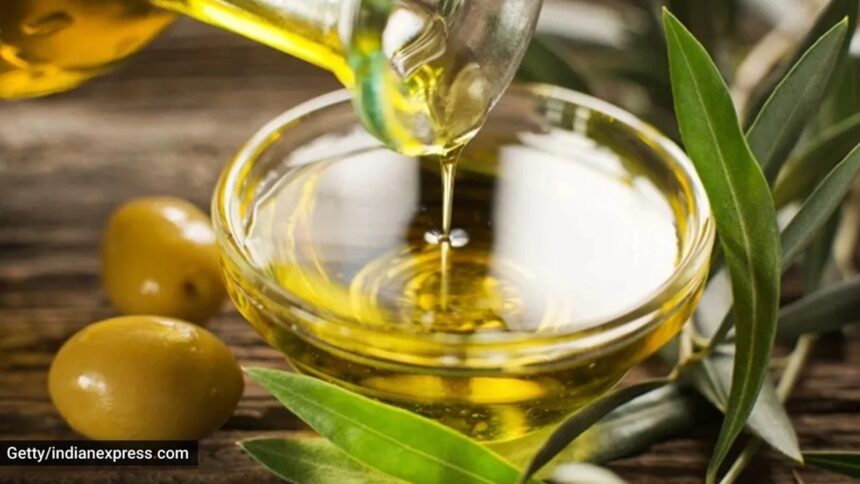
A recent research study from Yale School of Medicine indicates that some fats promote cancer, particularly pancreatic . One of them in particular is oleic acid, the primary fatty acid in olive oil, avocado and canola oils, sunflower and safflower oils, which “may be accelerating tumor growth in ways scientists never anticipated”.
The research was published April 29, 2026, in Cancer Discovery, a journal of the American Association for Cancer Research.
DISCLAIMER:
“It’s really the type of fat that you’re consuming, not just total fat content,” noted Christian Felipe Ruiz, PhD, an associate research scientist in Yale School of Medicine’s Department of Genetics and lead author of the study. “Depending on the type of that you consume, it can go completely different ways. We found that some fats promote cancer, as we would expect, while other fats are really good at suppressing cancer.”
The study team created 12 different high-fat diets and assigned genetically modified mice to each, and found that pancreatic cancer tumours grew fastest when mice were fed diets high in oleic acid. The result was striking, given oleic acid’s reputation in medicine. “It’s traditionally been considered a healthy type of fat for ,” the author noted.
Oleic acid, an omega-9 monounsaturated fatty acid, is a type of fat long linked to lower LDL (bad) cholesterol, blood sugar control and lower levels of inflammation when they replace trans fats.
The study further noted that Pancreatic ductal adenocarcinoma (PDAC) is among the deadliest cancers, with only about 13 per cent of patients diagnosed with PDAC surviving five years.
Notably, while oleic acid was associated with tumour growth, the study also found that omega-3 fatty acids, which are in fatty fish like salmon, as well as nuts, were the most protective against growth of tumors.
However, the author noted that the research has not yet been replicated in humans. So to understand more, we reached out to experts.
Dr Manjusha Agarwal, consultant, internal medicine, Gleneagles Hospital , said that there is currently “no strong scientific evidence proving that these oils directly cause a rise in pancreatic cancer”.
“In fact, when consumed in moderation as part of a balanced diet, these oils are generally considered heart-healthy due to their beneficial unsaturated fats. Pancreatic cancer is a complex disease influenced by multiple factors, including smoking, obesity, diabetes, chronic pancreatitis, age, family history, and certain genetic mutations. While research continues to explore how diet may affect cancer risk, no specific cooking oil has been conclusively linked to pancreatic cancer development. So, don’t draw any conclusions from isolated studies,” said Dr Agarwal.
Dr Aniket Mule, consultant, internal medicine, KIMS Hospitals, Thane cautioned that nutrition research often creates headlines that can be alarming, but it is important to understand how scientific evidence changes over time. “A single study rarely provides enough information to label a commonly consumed food or ingredient as completely harmful or completely safe. Findings need to be considered alongside decades of existing research and confirmed through larger human studies,” said Dr Mule.
While the study raises interesting questions about how certain fats might interact with biological pathways, it does not mean that people should immediately stop using these oils, he mentioned. “One of the biggest challenges in nutrition science is figuring out the difference between what happens in experiments and what happens in real life, where diet, exercise, sleep, stress, genetics, and overall health all interact,” said Dr Mule.
From a doctor’s standpoint, it is often more useful to look at dietary patterns rather than individual ingredients. “People tend to focus on a single food item when headlines appear, but overall diet quality influences long-term health outcomes. A meal packed with vegetables, fruits, whole grains, legumes, and healthy fats is very different from a diet filled with ultra-processed foods, regardless of the cooking oil,” Dr Mule elucidated.
Dr Agarwal said that any oil can potentially form harmful compounds if:
*Repeatedly heated to very (e.g., deep-frying with reused oil).
*Burned until it smokes heavily.
*Stored improperly and becomes rancid.
Consumers should also be careful about reacting to every new nutrition headline. “Science moves forward by asking questions, testing ideas, and improving our understanding over time,” Dr Mule stressed.
The practical advice remains the same: eat a balanced diet, maintain a healthy weight, stay physically active, manage chronic conditions like diabetes and hypertension, and avoid tobacco. “These actions have a much greater impact on long-term health than cutting out a single cooking oil based on one emerging study. Rather than creating fear, studies like this should promote further research and informed discussion. The goal is to strengthen the evidence base, not to change established dietary guidance overnight,” said Dr Mule.
“It is essential to avoid getting stressed or anxious and just make sure to clear all the doubts with the expert. Make sure to follow the instructions of the expert,” added Dr Agarwal.
DISCLAIMER:

