



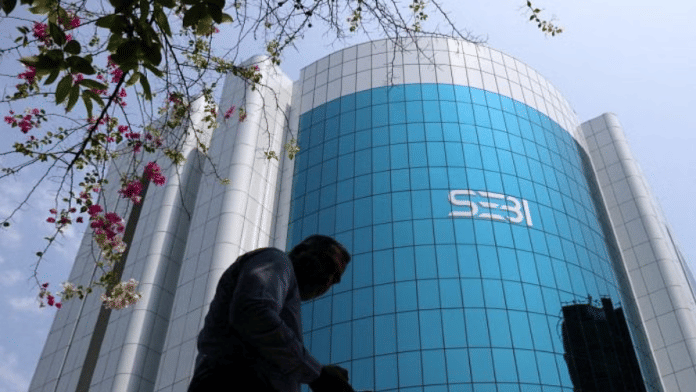
The regulator’s step comes amid growing demand by investors to reinstate the mechanism after it was banned in April last year due to an unfair tax advantage for investors selling shares in a buyback. Indian stocks fell 11% in March as foreign investors sold a record amount of shares due to uncertainty over the US and Israel’s war in Iran.
SEBI said new tax amendments introduced by the government addressed earlier concern that some shareholders were selling shares in a buyback to avoid paying taxes on capital gains made.
The earlier regime was also inequitable to investors, as their offer to sell shares was not always matched by the company — an issue the new mechanism seeks to address. Under the proposed framework, public shareholders would be taxed on capital gains when shares are tendered, shifting the tax burden from the company to the investor. As a result, selling shares through a buyback is now broadly equivalent, from a tax perspective, to selling them in the open market.
The regulator has proposed that buybacks from the stock market is undertaken within a mechanism where execution of orders is determined by price-time matching and all shareholders have equal opportunity to participate.

