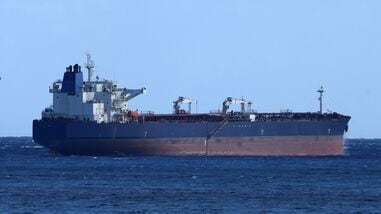
The US is considering easing restrictions on oil tankers linked to Russia and Iran as the Trump administration struggles to bring down soaring diesel prices ahead of November’s midterm elections. The move could increase shipping capacity and reduce freight costs, but it risks weakening Western pressure on Moscow amid its war with Ukraine.
The proposals include allowing blacklisted vessels to be sold to legitimate operators and lifting sanctions to let them operate in global markets, people familiar with the matter told the Financial Times.
A US Treasury department official said the Office of Foreign Assets Control (OFAC) may authorise such transactions “on a case-by-case basis”, provided legitimate buyers purchase the vessels and restore them for lawful commercial use.
The proposal was raised earlier this week by US energy secretary Chris Wright at the World Petroleum Conference in Riyadh, Saudi Arabia. Wright argued that a shortage of tankers was a crucial bottleneck driving up global freight rates and fuel costs.
“The administration is looking under every rock it can to try to force down fuel prices ahead of the elections, even if these policies would only have a marginal effect,” said Bob McNally, a former energy adviser to George W Bush and president of Rapidan Energy.
The move comes as data this week showed US consumer inflation jumped to 3.7% in September, with a rebound in fuel prices washing over the economy.
The White House has raced to counter the surge, leaning on allies to release more diesel onto the market and threatening to impose an export ban. Trump also signed an executive order to allow tax-free red diesel to be used on public roads. But diesel prices remain stubbornly high, averaging $6.31 a gallon at the pump on Thursday, just below a record high of $6.53 in recent weeks.
The International Energy Agency has warned of a global diesel shortage lasting until mid-2027.
However, analysts question whether easing tanker sanctions would significantly reduce prices. Between 13% and 19% of the global tanker fleet is under US sanctions, according to Energy Aspects, but the age and poor condition of these vessels could limit their contribution to commercial shipping capacity.
Research group Kpler expects the measure to have virtually no impact on the current tanker crisis, arguing that higher fuel prices are driven primarily by heightened war risks in the Middle East rather than vessel shortages alone, FT reports
For Russia, easing restrictions could create another opening for oil trade and potentially weaken the economic pressure intended to constrain Moscow’s war effort.
On Wednesday, Italy’s Prime Minister Giorgia Meloni criticised Trump’s plan to buy diesel from Russia, calling it a “very risky choice” and noting that it undermines international pressure on Vladimir Putin to end the war in Ukraine.
For the Iran war, the proposal reflects Washington’s effort to contain fuel costs amid conflict-related disruption in the Middle East. Yet if tanker restrictions are relaxed without materially improving supplies, the administration could face criticism for weakening sanctions without delivering meaningful relief at the pump.