



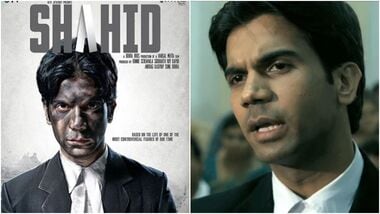
Rajkummar Rao and Hansal Mehta’s Shahid, one of the most acclaimed Hindi films of the 2010s, has finally arrived on OTT – 13 years after its theatrical release.
The biographical drama, which tells the story of lawyer and human rights activist Shahid Azmi, is now streaming on .
Its arrival has also revived a question that has followed the film for years: why did a critically acclaimed, National Award-winning movie remain unavailable on a major streaming platform for so long?
Shahid premiered at the Toronto International Film Festival in 2012 before releasing in Indian theatres on October 18, 2013. It was praised for its restrained storytelling and Rao’s performance as Azmi, who defended people accused under terror laws and was assassinated in Mumbai in 2010.
The film eventually won two at the 61st National Film Awards, with Rao being named Best Actor and Mehta winning Best Director.
Yet, despite its recognition, Shahid spent years without a significant digital home. In 2022, had already spoken publicly about the film’s absence from streaming services, describing the situation as a “personal tragedy”. He said at the time that he did not know who held the film’s digital rights.
Writer-editor Apurva M Asrani, who co-wrote and edited the film, has now raised that possibility while announcing its arrival on .
In a post on X, Asrani asked why the film took 13 years to find a streaming home. He reflected on how Shahid deals with dissent, due process and the rights of people accused under terror laws. He also questioned whether the political since the film’s release had influenced the space available for such stories.
He wrote, “The National Award winning #Shahid is finally streaming on Prime Video. It took 13 years for our film to find a streaming home. Shahid tells the story of Shahid Azmi, a lawyer who defended people accused under terror laws and fought for due process in a climate where Muslims were often presumed guilty before being proven innocent. He was murdered for that courage. I’ve often wondered why Shahid remained without a streaming platform for so long. It was released a year before 2014. Then came a political climate in which dissenters, activists, journalists and those defending the rights of the accused increasingly found themselves under suspicion. In that same period, people like Umar Khalid have spent years in prison awaiting trial. Many of us—filmmakers, actors and writers drawn to courageous stories like Shahid—either struggled to get such ideas made or were co-opted by the system into telling “kosher” stories that won national awards thanks to their political conformity and despite their mediocrity. So why now? Why does a film like Shahid finally find a streaming platform in 2026? Has the mood changed? Is there growing resistance to the politics of fear? Whatever the reason, I’m proud of this film. It established me as a co-writer/editor and brought me back to the kind of cinema I believe in. Watch it if you haven’t. Watch it again if you have. This film, made by a wonderful team, is a reminder of the kind of courageous cinema we used to make and celebrate. Thankyou @PrimeVideoIN (sic).”
Asrani’s comments are his , rather than confirmation of why the film remained unavailable.
There were, however, signs of sensitivity around the film even before its theatrical release. In September 2013, the asked Mehta to change a dialogue in the film’s television promotion, replacing a reference to Gandhi with “Masiha” after concerns that the original wording could hurt sentiments.
For Mehta and the team, the long wait has now ended. For audiences who discovered Shahid through its awards, reviews or but could not easily stream it, the Prime Video release offers a chance to revisit the film — or see it for the first time.