


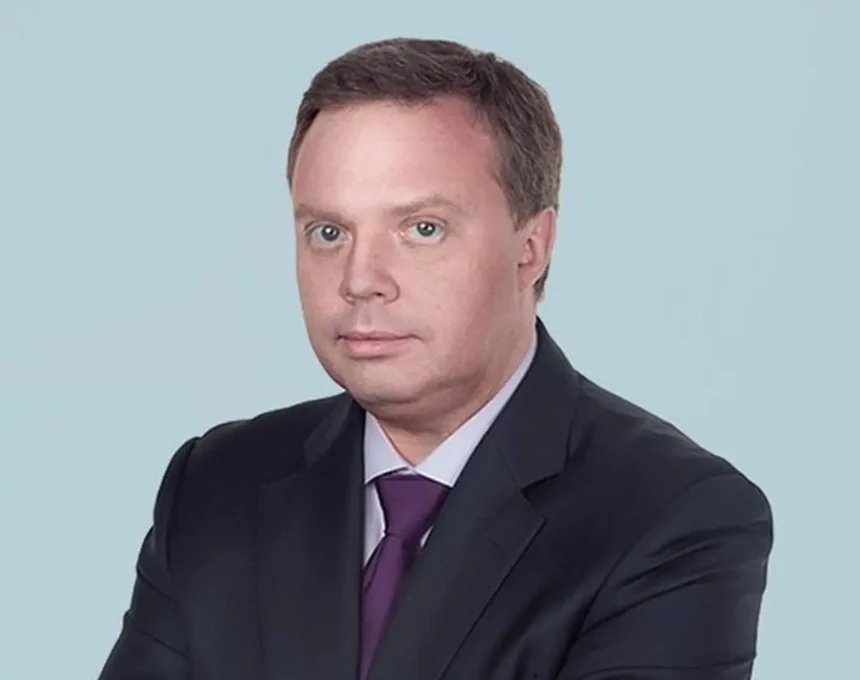
Pointing out that nuclear energy is the only long-term, reliable and clean source of 24×7 base load power, Kirill Komarov, first Deputy Director General for Corporate Development and International Business at Russia’s State-owned nuclear energy corporation Rosatom, emphasised that India’s goal of adding 100 GW of nuclear power by 2047 is ambitious but achievable.
Edited excerpts:
How would you analyse the state of energy transition today?
The energy situation in the world is really changing and changing very seriously. The world is still committed to having enough power, and people today care not only about having enough power, but also about having clean, green power. People are more concerned about the source of this power, how this power is influencing the natural environment, the health situation and a lot of other aspects.
If we look at the history of the last five years, the main change is that before, a lot of people thought that solar and wind were enough to cover all the energy needs of the whole world. Now everybody understands that it’s good, but not enough. And the world needs to have some solid, reliable source of energy, like a base-load, which can work 24/7, 365 days per year. And honestly, today there is only one such source of clean, green and sustainable energy. It’s nuclear.
What are your thoughts on India’s efforts towards a clean energy transition and the role of nuclear energy in it?
India is in the same line with the whole world’s trends. What is good is that your government decided to increase the quantity of nuclear power plants in the territory of the country in a very ambitious way, because if today you have approximately 10 GW, you plan to have up to 100 GW in the coming 20 years. It’s a very ambitious goal, but achievable, because we have already seen a lot of examples in world history of how countries did the same.
For instance, the US now has approximately 100 GW of total installed capacity, and if you look at the history, the majority of these 100 GW were constructed in 20-30 years, which means that with modern technologies it is achievable to reach this result.
How does Rosatom look at the emerging competition in India from French and US companies?
If you look at the world landscape today, 32 nuclear units are constructed for export. For export, I do not calculate Russian nuclear power plants in Russia or Chinese nuclear power plants in China. I calculate only nuclear power plants which are constructed for export purposes. There are 32 in the world today. Twenty-eight of them are constructed on the basis of Russian design. It means we have, approximately 90 per cent of the world market today. It’s the best evidence that our technology is very competitive. Our company is very competitive.
EDF is not constructing any single reactor in France, and Westinghouse is not constructing any single reactor in the US. If you cannot demonstrate a success story or how many reactors you constructed during the last years in your own country or abroad, it’s very difficult. Russia constructed approximately 20 nuclear power plants during the last 20 years, which means every year we are constructing a minimum of one plant. It’s a very good track record because it gives us a lot of experience.
We are not only a number one company in construction but also a leading company in all other elements and aspects of nuclear technologies. I mean the fuel cycle, spent fuel management, radioactive waste management and a lot of other things.
What are your thoughts on the SHANTI Act?
I think this Act, which was approved in India last year, is very useful for your nuclear programme. Because, as we discussed already, you have a very ambitious goal to increase your nuclear fleet up to 100 GW. NPCIL, as the only company which is now constructing and operating nuclear power plants in India, is definitely a serious, experienced company which knows how to do this.
But such an ambitious task is very difficult for only one company. And it’s good if your government decided to invite not only State-owned companies but also private companies into the nuclear sector, because you need a lot of companies that will construct, operate, invest money, put in effort and resources to do these very complicated things. And I believe that you have experienced energy companies which understand how to do it.
What are your thoughts on localisation?
I think the key element of success for your country is your localisation programme, your ‘Make in India’ programme. Because for such an ambitious programme, you need to be able not only to import all equipment and materials, but also to produce the majority of these things in India. We already reached a level of 50 per cent localisation at Kudankulam, and we are ready to repeat this example with all new companies, all new players in this market.
Published on September 29, 2026