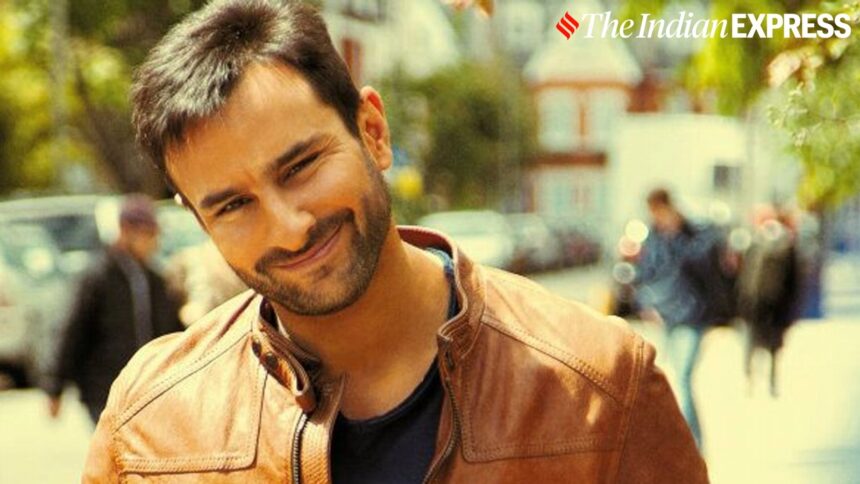
Speaking at the Tiger Pataudi Memorial Lecture 2026 in Kolkata, Saif Ali Khan reflected on his father, Mansoor Ali Khan Pataudi, and described him as someone who communicated differently from those around him. Recalling his relationship with his father, Saif said, “I knew him respectfully as Abba, a man of very few words who somehow said everything to us as a family that mattered. He and was always there for us. He taught us to respect people at a very early age.”
Saif also spoke about his father’s quiet nature in social situations and how it often stood out during gatherings. “At home, he rarely spoke about achievements. He rarely spoke about anything. My mother would be exasperated at dinners and gatherings, where people who knew less than him would be giving their opinions. He would say, ‘No one asked me,’ but he wouldn’t speak because no one had asked him. It was a very different brand of confidence,” he shared.
Reflecting further on his father’s influence, Saif added, “He believed in belief, instilling self-belief in Indian players who had never before been told they could dominate world cricket. At a time when Indian teams were expected merely to participate, he insisted they compete to win. That massive change in mindset, I think, was one of his greatest contributions.” He also noted that his father may have been “slightly embarrassed” by the attention but “quietly pleased” that discussions remained centred around cricket, ideas and the future.
Counselling psychologist Athul Raj tells indianexpress.com, “A quiet person is not necessarily emotionally distant. Emotional withdrawal has a certain absence to it. The person checks out emotionally, avoids difficult conversations, and often makes others feel alone, even while being physically present. But some people are simply not wired to express affection verbally. They communicate through dependability, routine, and quiet presence.”
In many Indian families, Raj states, especially older ones, love was rarely spoken out loud. Care showed up as responsibility. Picking you up at midnight. Sitting silently beside you during a difficult time. Remembering what you need without asking. Families need to look at , not just words. Silence can feel rejecting, but it can also feel deeply reassuring.
Quiet confidence comes with ease. “The person is not trying hard to impress anybody. They are comfortable listening, comfortable not being the centre of attention, and they do not collapse when someone disagrees with them. There is a steadiness to them,” says Raj.
Low self-esteem carries a different energy. You usually see self-doubt underneath the silence. Raj explains, “The person hesitates constantly, second-guesses themselves, apologises too much, or avoids visibility because they fear judgment. Quiet confidence is not about being silent. It is about not needing constant validation to feel secure.”
Children absorb emotional behaviour all the time. A parent who stays calm during stress teaches a child how to hold themselves together during difficult moments. That kind of modelling quietly shapes emotional maturity.
“But emotional restraint has to come with warmth. If a parent is calm but emotionally unreachable, children may grow up struggling to express vulnerability. If the calmness comes with reliability and emotional safety, children often become adults who and less desperate for approval. Most children do not remember exact advice from parents. They remember the emotional tone of the home they grew up in,” concludes Raj.