



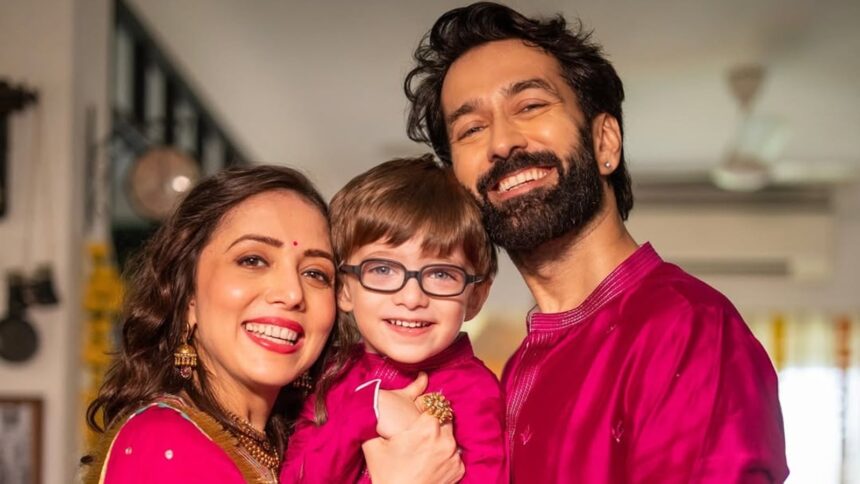
Nakuul Mehta and Jankee are slowly reshaping the parenting scene through enlightening conversations with guests on their podcast, The Indian Parent Pod. From unlearning traditional discipline methods to relearning how to raise kids in a way that makes the journey fun for both parent and child, the podcast offers refreshing and overlooked parenting lessons.
During a candid chat with Robin Uthappa, the former cricketer shared, “I genuinely believe one of the most important things a father can do is show children their mother is his number one priority”, to which replied, “We actually practice this at home.”
“Sometimes Jankee asks our son, ‘Who’s my favourite person in the world?’ And he already knows the answer. He seems a little sad about it. People hear that and think, it’s about loving your child less. But it’s about helping them understand that they come from this connection, from this relationship in the first place,” he further elaborated.
DISCLAIMER: This article is based on information from the public domain and/or the experts we spoke to.
Uthappa added to the conversation, sharing how he asks for his wife’s opinion in front of the kids. “I want them to see that I value her perspective and depend on it. And children pick up on that more than we realise.”
Dr Rimpa Sarkar, clinical psychologist and founder of Sentier Wellness, says that it is true: children learn far more from what they observe than from what they are told.
“A father’s behaviour towards the mother becomes one of the earliest relationship templates a child witnesses. When children consistently see respect, appreciation, consideration, and emotional support between parents, they begin to internalise these behaviours as normal and desirable in relationships,” she tells indianexpress.com.
According to Dr Sarkar, a child who grows up watching a father value and respect their mother learns important lessons about communication, empathy, emotional safety, and partnership. These observations often influence how they view relationships later in life.
Creates emotional security: When children see a stable and respectful parental relationship, they generally feel safer and more secure. They do not have to worry about tension, conflict, or emotional instability within the family.
Models healthy relationships: learn what love and respect look like by observing their parents. They understand that relationships are built through kindness, support, teamwork, and mutual respect rather than control or dominance.
Shapes future expectations of relationships: Boys may learn how to treat partners with respect and emotional consideration. Girls may learn that respect, support, and equality are healthy expectations in relationships.
Teaches emotional regulation and conflict resolution: Even when parents disagree, children benefit from seeing disagreements handled respectfully rather than through hostility or disrespect.
Reduces unhealthy family dynamics: When the parental relationship remains strong, children are less likely to feel responsible for managing adult emotions or conflicts. They can focus on being children rather than becoming emotional mediators.
Dr Sarkar says that the goal should not be to make a child feel less important than a parent. Rather, children benefit when they see that the adults in the family have a strong, respectful partnership.
“Research on family systems consistently shows that when the parental relationship is healthy and emotionally connected, children tend to experience greater emotional stability and well being,” she shares, adding that in many ways, one of the most powerful lessons a father can teach a child is not through advice, but by demonstrating every day what respect, care, and partnership look like in action.
DISCLAIMER: This article is based on information from the public domain and/or the experts we spoke to.

