



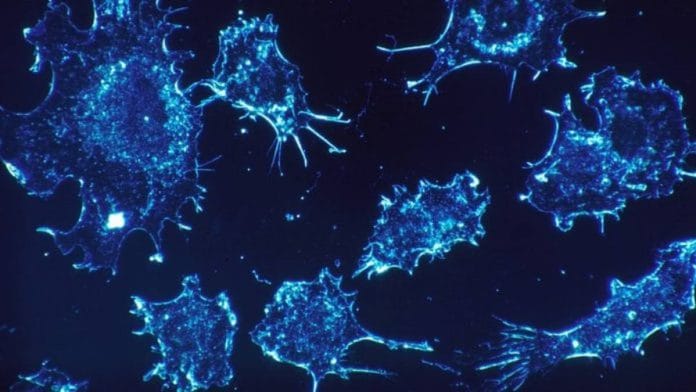
Using a technique called phosphoproteomics to map activity inside cells, researchers analysed six cancer cell lines from lung cancer patients. Each pair had similar mutations in EGFR, MET, or ALK, among others, but differed in how they responded to treatment – even when the drugs successfully blocked their intended targets, some cancer cells continued to grow.
The results showed that while the drugs were successfully disabling their intended targets in all cases, in resistant cells, an alternative network was formed. This network, driven by SRC family kinases, was active and enabled the tumour to survive and possibly migrate to new locations in the body.
The findings help explain a long-standing puzzle in cancer care – why patients with similar genetic mutations can have very different responses to the same drug, a persistent challenge in precision oncology. The study also sheds light on why some tumours initially respond to treatment, but later relapse by activating this backup pathway.
The study points to a potential way around this resistance. When researchers treated resistant cancer cells with a combination of a tyrosine kinase inhibitor and a drug targeting SRC kinases, they observed significantly higher rates of cancer cell death.
A clinical trial testing one such combination, pairing the lung cancer drug Osimertinib (Tagrisso) with SRC inhibitors, is already underway. The study added that similar strategies could be explored in other cancers, including pancreatic cancer, where a similar backdoor pathway has been observed.
The PNAC study highlights the potential of using phosphoproteomic analysis on patient biopsy samples to identify tumours with active resistance pathways, potentially allowing doctors to personalise combination therapies from the outset, rather than waiting for clinical failure.
Taken together, the research suggests that expanding the use of combination treatments and better identifying which tumours are primed for resistance could widen the pool of patients who benefit from targeted cancer therapies.
(Edited by Insha Jalil Waziri)

