Brazilian President , securing 51.8% of the vote against right-wing challenger Flavio Bolsonaro. His victory followed an intensive runoff campaign that combined youth mobilisation, a revamped social media strategy, opposition to the Bolsonaro family and a series of popular economic and welfare measures.
The 80-year-old incumbent had described his first-round campaign as the most “disorganized” in decades. Ahead of the runoff, he changed his digital outreach, sought support from young influencer politicians and encouraged supporters to take their campaign both online and onto the streets.
Here are four factors that may have contributed to Lula’s election victory.
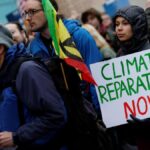
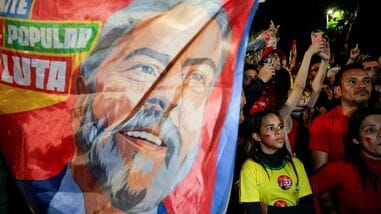
Youth mobilisation emerged as a key feature of Lula’s runoff campaign after his first-round setback. Students and young people organised rallies in Rio de Janeiro, Sao Paulo and Belo Horizonte, chanting slogans such as “Bolsonaro never again” and expressing support for Lula’s social policies and promises to defend minority rights.
“The mobilization of young people was fundamental,” Eduardo Grin, a political scientist at the Getulio Vargas Foundation (FGV), told AFP.
Lula’s Workers’ Party (PT) had managed to reconnect with younger voters, Grin said. The president also compared the mobilisation to the 1984 movement that demanded elections during Brazil’s military dictatorship.
The street demonstrations gave the campaign a visible grassroots presence at a critical stage of the . They also helped supporters rally around concerns about social rights and the possibility of the Bolsonaro family returning to power.
Lula’s campaign also sought to counter the political right’s strong online influence by overhauling its social media strategy.
The incumbent enlisted young influencer politicians, bought his first cellphone and described himself as the “king of the selfie”. His supporters, meanwhile, spent hours sharing political content online and speaking to voters in person.
The scale of the digital push was reflected in the growth of the “Lula’s Army” WhatsApp channel. It expanded from 60,000 followers to nearly 11 million in just three weeks, according to the report.
Publicist Taiza Mendonca, 36, told AFP that the effort demanded considerable time outside her regular working hours. Even older supporters, including her “60-year-old aunties”, learned to use hashtags, she said.
Oliver Stuenkel of the FGV also described the sustained activity of left-wing supporters, who spent hours posting content and engaging voters offline.
The campaign’s digital outreach helped supporters circulate messages and mobilise voters beyond rallies and traditional campaign events.
Another factor was the effort to frame the election as a choice between Lula’s agenda and a return of the Bolsonaro family to power.
, 45, emerged as the right-wing candidate with the backing of his father, former president Jair Bolsonaro. During the campaign, Flavio called his father his “compass” and promised to secure his release if elected.
Jair Bolsonaro is serving a 27-year sentence over an attempted coup following his 2022 election defeat, according to the supplied report.
Critics of the former president pointed to rising hunger, his administration’s handling of the Covid-19 pandemic, violence against minorities and environmental policies that they said denied climate change.
Grin argued that street mobilisation and social media activity helped create concern about a return of the Bolsonaro family and the implications for democracy and social rights.
The strategy gave Lula’s supporters a common message around which to mobilise. Rather than focusing exclusively on the incumbent’s record, the campaign also sought to highlight the risks its supporters associated with a Bolsonaro return.
Lula’s campaign was also accompanied by a series of measures aimed at workers, welfare recipients and small-scale entrepreneurs.
Congress approved a reform guaranteeing workers two days of rest per week, a key campaign pledge. The government also rescheduled October welfare payments so recipients would receive them before the runoff rather than afterwards.
These steps came alongside debt-forgiveness measures for small-scale entrepreneurs and other initiatives described in the report as popular with voters.
Defending the timing of the benefits, said during a campaign interview: “I’m not going to stop granting a benefit I can grant just because there are elections.”
The measures allowed the incumbent to highlight policies with direct implications for household finances, working conditions and small businesses in the run-up to voting.
While the timing may have helped keep these issues in the campaign spotlight, the available information does not establish the independent electoral impact of each measure.