



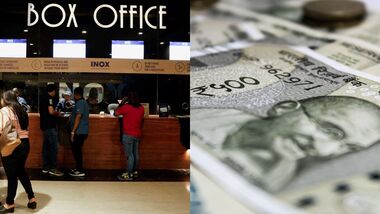
A trip to a multiplex in Karnataka is going to get costlier than before. Apart from paying for the film and overall experience, including premium formats such as and Dolby Cinema, plush seating and a wider range of food and beverage options, there’s now an additional 2% cess. Ahead of the new levy rollout on September 30, we assess its cascading impact on consumer ticketing expenditures and the operational viability of theatre operators.
On Thursday, the Multiplex Association of India (MAI) raised concerns, predicting that the proposed 2% cess could inflate ticket prices, therefore affecting consumer demand and impacting overall film business. Talking to Live Mint, Kamal Gianchandani, President of MAI, explained, “From 30 September, cinemas would be under an obligation to collect 2% cess from the customers and then deposit it to the government.”
MAI urge the Karnataka Government to reconsider the proposed cess. Highlighting concerns of the body, Gianchandani said, “We are requesting the state government to reconsider it because this is negative for the cinema exhibition sector. This is negative for the film business, which was at a very difficult stage in the last five years post-COVID and finally managed to revive itself.”
2026 proved to be a better year for the film with big theatrical releases like , Spider-Man: Brand New Day, Border 2, Peddi, , Mana Shankara Vara Prasad Garu and more. Gianchandani raises concern, “This is the first year where we have seen consistent footfalls and sustained supply of films. Regularly, films are doing well at the box office. At this juncture, when films are trying to revive theatres, there is a pushback because of this levy of 2% cess.”
MAI, in its official release, called the 2% levy ‘anti-consumer’ and contrary to the Goods and Services Tax (GST) reform. Gianchandani shared, “The whole idea behind GST reform was to avoid tax on tax. Now if the state government levies a 2% cess, then there would be GST on this 2% cess, which means there will be tax on tax. We would get no input tax credit on this 2% cess, which defies the framework of GST.”
Calculated at a 2% rate, a ₹300 movie ticket would attract a ₹6 cess, raising the subtotal to ₹306 before applicable GST.
Gianchandani shares his biggest worry for the future. “No matter how small the tax is, it creates a negative precedent for other state. Karnataka is the first state which is levying a 2% cess on movie tickets. It sets a wrong example for other states to follow.”
“The government is trying to bring ease in doing business and simplify the structure. In Karnataka, it seems to be going in the other direction. It will be detrimental.”
Gianchandani, who is also the CEO of PVR Pictures Limited & Chief Business Planning and Strategy PVR Limited, called the levy of additional tax “unfair.”
He ensured that while movie ticket prices in the state will see a rise, the prices of food and beverages in multiples remain unchanged.
The 2% cess burdens cinema exhibitors by inflating overall ticket costs. The move is likely to erode footfalls and weaken the theatrical experience, possibly giving OTT platforms a stronger competitive edge in terms of consumer preference. Gianchandani argued, “That debate is settled. Both are co-existing beautifully. OTT is now supplying films to theatres; is a case in point. Both are different experiences, and they are feeding each other.”