



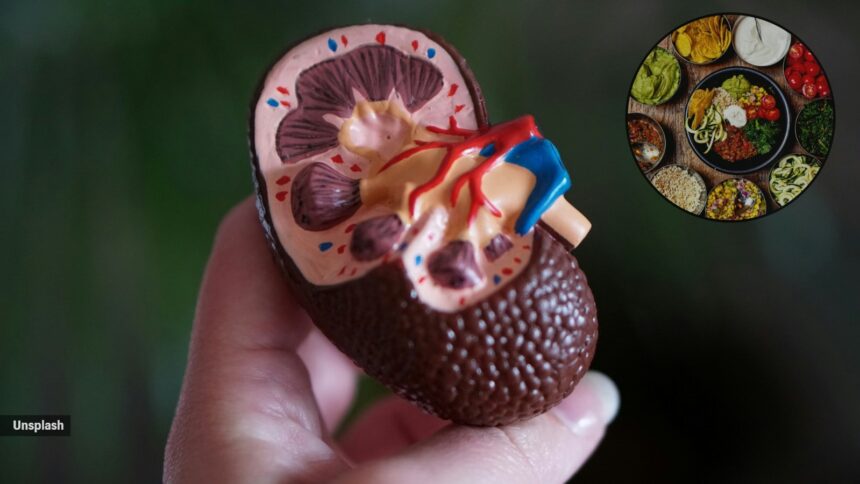
A kidney-focused diet can feel like a maze of conflicting advice. One person tells you to stop eating bananas, another swears by high-protein, while social media says “plant-based” solves everything. Somewhere in the middle, many people with kidney concerns end up confused, over-restricting, or simply giving up.
A recent post by registered dietitian and kidney nutrition specialist Heather Smith highlighted some common mistakes she sees people making. The cautioning title of her video particularly caught attention: ‘I’ve been a kidney dietician for 10 years and here are 5 things I see people doing wrong’
In the caption, she said, “Most people are trying to do the right thing… but they’re acting on incomplete, outdated, or oversimplified advice.”
So, we asked Dr Aseem Thamba, Consultant Nephrologist and Kidney Transplant Physician, Zen Multi-speciality Hospital, Chembur, to break down what actually matters.
DISCLAIMER:
Potassium-rich foods often get a bad reputation in kidney conversations, leading many people to avoid foods like potatoes, tomatoes, spinach, sweet potatoes, beans, and bananas.
But Dr Thamba says this can backfire if your potassium levels are actually normal. “If your potassium is normal, cutting these removes key sources of fiber, magnesium, folate, and antioxidants,” he tells indianexpress.com. That may indirectly worsen blood pressure, gut health, and heart health — all of which matter for kidney health too. “For healthy kidneys, these veggies are protective, not harmful.”
Just because something says plant-based does not automatically make it kidney-friendly. Mock meats, vegan cheese, and packaged snacks often fall into the ultra-processed category.
“Ultra-processed plant foods are high in sodium, phosphorus additives, and preservatives,” says Dr Thamba.
That is a problem because excess sodium can worsen blood pressure and proteinuria, while phosphorus additives may strain the kidneys even before lab reports start showing abnormalities.
“‘Plant-based’ doesn’t mean kidney-safe if it comes from a factory.”
High-protein diets are often marketed as universally healthy, but kidney experts urge caution. “For healthy kidneys, 1.0–1.2g/kg protein is safe and needed,” Dr Thamba says.
But aggressive protein loading — especially through powders, supplements, and excess red meat — can be risky if someone already has undiagnosed chronic kidney disease. “Excess protein increases glomerular pressure and workload, accelerating damage in vulnerable kidneys.”
When managing a health condition feels stressful, skipping meals may seem easier than figuring out what is “safe.”
But Dr Thamba says that can create new problems. “Frequent meal skipping leads to dehydration, low blood pressure episodes, and muscle breakdown.”
Dehydration reduces kidney blood flow, while and blood pressure can worsen two major kidney risk factors. “Regular, balanced meals keep kidney perfusion and metabolism stable.”
Many people assume their doctor will tell them exactly what to eat. But kidney nutrition is rarely that straightforward.
“Kidney nutrition isn’t one-size-fits-all — it changes with labs, meds, and disease stage.” Relying only on a generic food list may lead to unnecessary restrictions, nutritional deficiencies, or missed red flags.
“Your kidneys need a partnership, not a prescription pad diet,” the nephrologist concludes.
DISCLAIMER:



