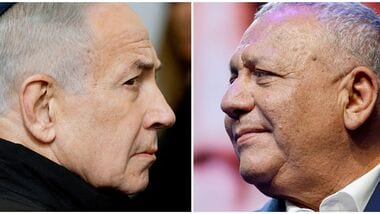
Israel’s Prime Minister Benjamin Netanyahu has challenged the outcome of the country’s latest parliamentary election, with his Likud party alleging widespread voter fraud by Arab political groups after the final results left both the governing coalition and the main opposition short of a majority.
The allegations have prompted scrutiny from Israel’s electoral authorities and its domestic intelligence agency, the Shin Bet. However, election officials and police have rejected claims of systematic fraud, saying there is no evidence that the integrity of the vote was compromised.
The final count, released early Friday by Israel’s Central Elections Committee, confirmed that Netanyahu’s right-wing alliance secured 53 seats in the 120-member Knesset, falling eight short of the 61 needed to form a government independently.
The opposition bloc, led by former military chief , won 48 seats, while Arab political parties secured a record 19 seats, potentially giving them significant influence in negotiations over the country’s next government.
Netanyahu’s Likud party accused Arab-led parties Ra’am and the Joint List of engaging in alleged electoral misconduct, including bribery, intimidation, violence, forgery and the use of illegal software to mobilise voters.
In a statement, Likud claimed that the election had been stolen by parties it accused of supporting terrorism and opposing the existence of the Jewish state. The party called for police and the Shin Bet to investigate the allegations.
The accusations emerged after Arab political groups recorded an unprecedented electoral performance, with their combined representation projected to rise to 19 seats from 10 in the previous election.
The strong turnout in Arab communities, alongside reports of organised transport to polling stations and concerns about foreign-funded mobilisation efforts, became central to Likud’s objections.
heading the Central Elections Committee, referred the allegations to the Shin Bet for examination.
In a letter, Sohlberg said concerns had been brought to his attention about possible improper foreign intervention in voter mobilisation. He added that he could not independently establish whether the allegations were true.
The intelligence agency subsequently clarified that its investigation into possible foreign interference was limited in scope and had not been initiated on the basis of information supplied by any political party.
also said they had found no investigative or intelligence evidence supporting Likud’s claims.
have pushed back against allegations that the election was systematically manipulated.
Acting Central Elections Committee Director General Dean Livne said the parliamentary election had been conducted lawfully and that safeguards at polling stations had protected the integrity of the voting process.
In a letter to Yesh Atid lawmaker Vladimir Beliak, Livne said there was no basis, to the best of the committee’s knowledge, for allegations of widespread violations.
The Shin Bet’s inquiry is not expected to delay the formal submission of the certified election results to President Isaac Herzog on November 4.
The final results have left Israel facing potentially prolonged coalition negotiations.
Netanyahu’s alliance lost ground compared with the 64 seats it secured in the 2022 election. The opposition, despite leading in opinion polls for months, also failed to win enough seats to form a government without additional support.
The Arab parties’ record performance has made them potential kingmakers, although some opposition groups have resisted the prospect of relying on their support.
The election was widely viewed as a referendum on Netanyahu’s leadership, particularly following the Hamas-led October 7, 2023, attack and the subsequent war in Gaza.
Voter turnout reached its highest level since 1999, but the result has not delivered a clear parliamentary majority to either side, leaving Israel’s political future dependent on negotiations and the president’s next steps.