



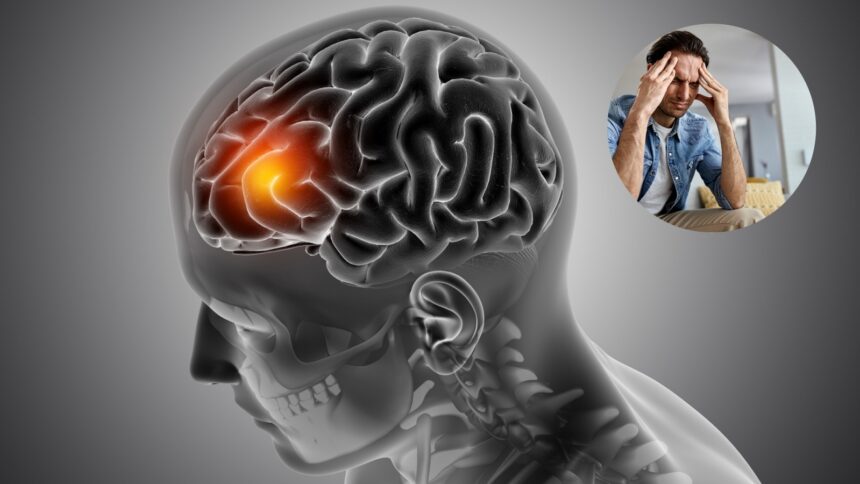
Headaches are among the most common health complaints, affecting millions of people every day. In most cases, they are triggered by stress, lack of sleep, dehydration, eye strain, or migraines and are rarely a cause for alarm. But how can you tell the difference between a routine headache and one that warrants medical attention?
According to Dr Keval Shukla, Consultant Brain and Spine Surgeon, Hospitals, Central, it is often not the headache itself but the accompanying symptoms and changes in pattern that matter most.
DISCLAIMER: This article is based on information from the public domain and/or the experts we spoke to. Always consult your health practitioner before starting any routine.
One of the biggest misconceptions surrounding brain tumours is that they always cause severe headaches. In reality, many people with brain tumours may initially experience symptoms that resemble ordinary headaches.
“Most headaches are not caused by brain tumours,” says Dr Shukla. “The concern arises when a headache shows a different pattern from what a
He advises paying attention to headaches that:
“A headache accompanied by nausea, vomiting, blurred vision, weakness in an arm or leg, speech difficulty, or seizures deserves medical attention,” says Dr Shukla.
“The key is not the headache alone, but the change in pattern and the presence of other neurological symptoms.”
While headaches often receive the most attention, brain tumours can sometimes reveal themselves through symptoms that seem unrelated to the brain. “Brain tumours can sometimes present with symptoms that seem unrelated at first,” explains Dr Shukla. Some of the more subtle signs include:
Vision problems
Persistent blurred vision, double vision, or unexplained visual disturbances can occur when a tumour affects areas of the brain involved in vision or increases pressure inside the skull.
Memory and concentration issues
“A person may notice increasing forgetfulness, trouble concentrating, or difficulty finding words during conversations,” says Dr Shukla.
Because these symptoms can be mistaken for stress, fatigue, or ageing, they are often overlooked.
Personality or behavioural changes
Changes in mood, behaviour, decision-making, or emotional responses may occur when tumours affect specific brain regions. Family members are sometimes the first to notice these changes.
Balance and coordination problems
“Some people develop balance issues, frequent stumbling, or weakness on one side of the body,” Dr Shukla notes.
Hearing changes, numbness, and seizures
Other possible warning signs include hearing difficulties, facial numbness, unexplained tingling sensations, and new-onset seizures. “These symptoms do not automatically mean a brain tumour is present, but persistent or
Dr Shukla recommends consulting a healthcare professional when headaches persist for weeks, worsen over time, or occur alongside neurological symptoms. Brain imaging may also be necessary in certain situations. “Imaging may be recommended if symptoms interfere with daily activities or if there is a significant change from a person’s usual headache pattern,” Dr Shukla explains.
Unlike many lifestyle-related diseases, brain tumours often develop without a clearly identifiable cause.
“There is no guaranteed way to prevent brain tumours because many occur without a known cause,” says Dr Shukla. However, maintaining overall health remains important.
He recommends:
DISCLAIMER: This article is based on information from the public domain and/or the experts we spoke to. Always consult your health practitioner before starting any routine.

