



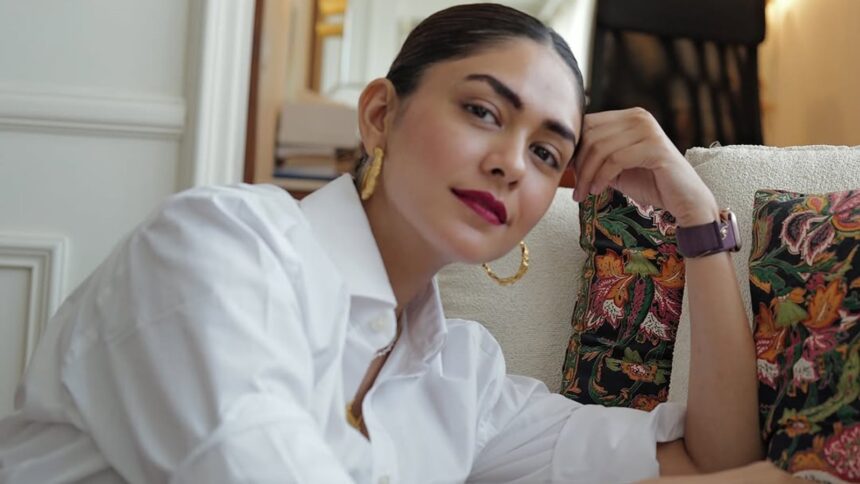
When asked if she wants children, Mrunal Thakur could not give a different answer: “Of course, everyone wants them,” she told Ranveer Allahabadia during a recent podcast episode. The host replied, “Not everyone wants them, Mrunal,” further explaining the concept of Double Income No Kids (DINK), where couples choose to earn money to spend on themselves and decide not to have kids. The actor seemed clueless and added. “I want kids…I will have them when the time is right.”
But what exactly is the DINK lifestyle?
DISCLAIMER: This article is based on information from the public domain and/or the experts we spoke to.
Gautami Devi Chetri, clinical psychologist at Lissun, believes the rise of the DINK lifestyle is a result of a societal shift in attitudes towards family dynamics. “Over time, cultural perceptions have evolved, and the choice to remain is now more widely accepted, reflecting changing notions of personal fulfilment,” she said. With time, people have become more comfortable and expressive about their personal freedom, in areas like career, homes, marriage and childbearing. They no longer follow social rules and norms, which older generations used to do without questioning their reason and relevance.
To add to that, professional growth and careers taking precedence are a major reason. DINK couples have more time and energy to devote to their work and career progress when they are not overwhelmed with childcare duties. “They may also have a greater opportunity for personal development, self-discovery, and following their passions that might not be practised if they were burdened with other responsibilities,” said the expert.
Rutuja Walawalkar, Psychologist at Mpower, Aditya Birla Education Trust, told indianexpress.com that discussions about family planning frequently focus on age, financial stability, or job security. Although these factors are significant and useful, they may not adequately equip a person for the actual experiences of being a parent. According to her, the key aspect is emotional readiness, the capability to care, to adjust, and to develop alongside a kid.
“Emotional readiness doesn’t imply having all the answers. It frequently appears in subtle forms: the transition from feeling obligated to have kids to truly wanting them; the readiness to divide duties with a spouse; and the realization that although raising kids comes with difficulties, it also provides great happiness and satisfaction,” Walawalkar elaborated.
In our culture, inquiries such as “When do you intend to have children?” often arise shortly after getting married. Even if these questions aren’t posed with ill intentions, they can come across as invasive and burdensome. Plenty of young individuals often make significant life choices influenced by external pressures instead of their personal feelings of preparedness.
As a psychologist, Walawalkar said that she is acutely aware of the effects of these decisions. “Partners who enter solely because of societal expectations frequently encounter increased stress, conflict, or resentment. Conversely, when the decision is consciously made regardless of whether it occurs early or later in life the transition usually becomes more seamless, healthier, and considerably more fulfilling,” she explained.
DISCLAIMER: This article is based on information from the public domain and/or the experts we spoke to.

