



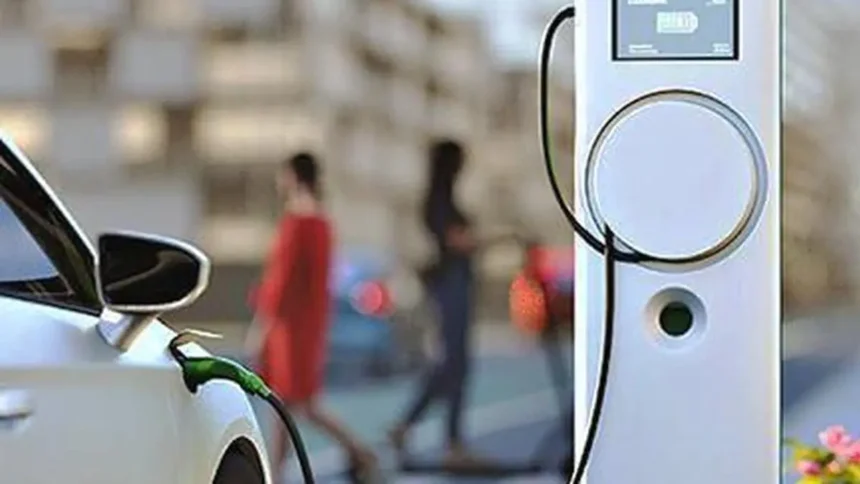
HPCL’s EV charging network reached 5,826 facilities across 25,238 retail outlets as of September 1, up nearly 8 per cent from about 5,400 in March, as the state-owned oil marketing company deepens its electric mobility push by deploying 240-kW ultra-fast chargers for electric trucks and buses across 50 highway corridors.
The scale of the network is significant in the context of India’s broader EV charging ecosystem. The country currently has 52,718 public EV charging stations, according to government data. HPCL’s 5,826 facilities account for roughly 11 per cent of that total, although the figures may not be directly comparable because of differences in how charging infrastructure is classified.
Most of HPCL’s additions came during the first quarter of FY27, with the network expanding to 5,806 stations by the end of June. The new 240-kW chargers are being rolled out under the PM E-DRIVE programme as HPCL scales up charging and battery-swapping infrastructure for commercial vehicles.
HPCL’s FY26 annual report, meanwhile, reported 5,533 EV charging facilities as of March 31, including battery-swapping stations, making the figure not directly comparable with the charging-station count.
HPCL’s existing network comprises AC and DC chargers ranging from 3.4 kW to 120 kW. The move to 240-kW ultra-fast chargers reflects the significantly higher energy requirements of commercial EVs and marks an expansion of its charging strategy beyond passenger vehicles.
In July, HPCL partnered with Energy In Motion to develop charging and battery-swapping infrastructure for electric heavy commercial vehicles at select retail outlets. Its partnership with Blue Energy Motors covers battery-swapping and ultra-fast charging facilities along key highway routes. An MoU with EKA Mobility spans commercial EV charging, battery swapping, green hydrogen, and sustainable logistics solutions.
Rather than creating a separate network for electric mobility, HPCL is leveraging its extensive fuel-retail footprint while bringing in technology, operational expertise, and investment through strategic partnerships.
“Electric mobility is an important part of HPCL’s broader energy-transition journey,” said Debashish Basak, Executive Director (Retail), HPCL. He said the company’s combination of infrastructure and specialised partners would help meet the needs of passenger vehicles, two-wheelers, and heavy commercial vehicles, while making its retail network increasingly future-ready.
HPCL is also expanding infrastructure for smaller EV segments. Its partnership with Honda has grown to more than 140 battery-swapping stations across Delhi-NCR, Gurugram and Mumbai, catering largely to the e-commerce sector. The company has also partnered with Mahindra to deploy 180-kW dual-gun ultra-fast chargers and with V-GREEN to expand charging and battery-swapping infrastructure.
Beyond EVs, HPCL’s retail network includes more than 2,250 CNG outlets, solar installations at over 23,000 fuel stations, and more than 150 battery-swapping facilities.
The expansion is steadily transforming the conventional petrol pump into a multi-energy hub, reflecting the evolving needs of mobility as electrification spreads from two-wheelers and passenger cars to buses, logistics fleets and heavy-duty trucks.
Published on October 6, 2026