As India eyes large-scale urban and infrastructure development, Danish pump manufacturer Grundfos sees significant potential for district cooling solutions, which it estimates could reduce energy and water consumption by 30-40 per cent compared with conventional cooling systems.
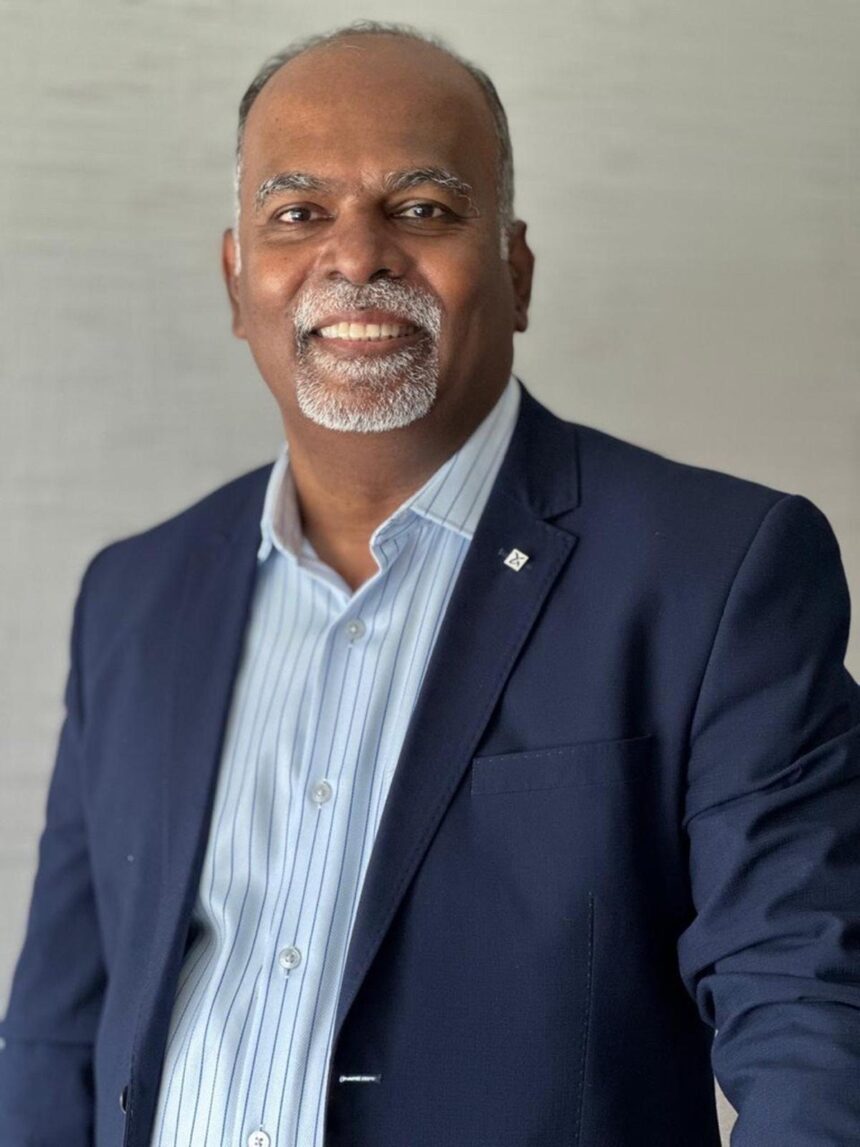
The company is looking to tap opportunities in planned urban developments, commercial complexes and infrastructure projects, where centralised cooling systems can be integrated at the design stage rather than retrofitted later, Saravanan Panneerselvam, Senior Regional Director for Commercial Building Services in IMEA, Grundfos, told businessline.
“Imagine we have 10 towers in an area, and every tower is calculating its own load and designing its electricity and water consumption based on peak demand. A centralised solution can nullify those peak demands and provide adequate supply to the buildings, resulting in 30-40 per cent less energy and water consumption,” he said.
While district cooling has been widely adopted in parts of the Middle East, it remains in its nascent stage in India, with most commercial buildings continuing to rely on standalone cooling systems.
Grundfos has executed India’s first district cooling project at GIFT City, Gujarat, as a greenfield project. Additionally, it has executed campus cooling projects (smaller versions of district cooling) across India, with capacities ranging from 500 to 10,000 tons of refrigeration (TR).
District cooling is part of a broader growth opportunity that Grundfos sees in India. India is currently the company’s biggest growth-potential market in the broader India-Middle East-Africa (IMEA) and Asia-Pacific region.
“In India, we are on a positive growth, more than double digits,” he said, noting that this comes at a time when the Middle East business faces headwinds from the ongoing geopolitical conflict.
The conflict has significantly disrupted logistics, with shipments from Europe to the Middle East now taking nearly 85 days, up from roughly three weeks earlier, the executive said. India, however, has been relatively insulated because of its local manufacturing and sourcing capabilities. Around 60-65 per cent of Grundfos’ India business is locally sourced, produced and assembled.
Grundfos expects its overall IMEA business to remain flat this year, against a track record of double-digit growth over the preceding five years.
As for specific verticals set to drive the India opportunity, the company sees opportunities in efficient pumping systems and in water treatment and reuse for data centres, which place significant demands on energy and water resources.
The company is also targeting transportation infrastructure, including airports, railway networks and metro projects, as well as the hospitality sector.
Published on November 9, 2026