



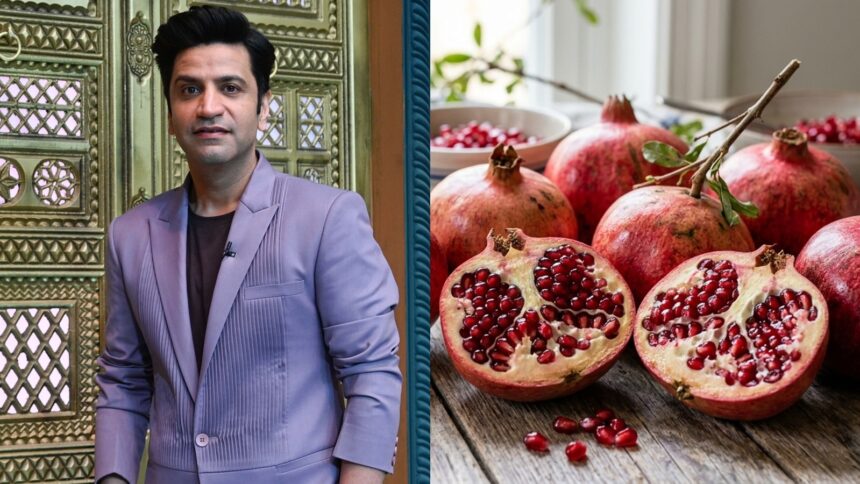
Pomegranates are often considered one of the , but for many people, the effort required to cut and deseed them becomes a barrier. This is where simple kitchen techniques can make a noticeable difference, turning something tedious into something quick and practical.
In a recent Instagram video, celebrity chef Kunal Kapur demonstrated an easy, step-by-step way to cut a pomegranate and efficiently extract its seeds. He wrote in the caption: “Dekho, garmi toh full aa chuki hai, toh main bana raha hoon yeh refreshing pomegranate juice aur aapko bhi sikha raha hoon kaise banana hai. Sabse pehle seekhte hain anaar ko properly cut karna, phir banate hain ekdum thanda, tasty juice – perfect for this heat! (Look, the heat has fully set in, so I’m making this refreshing pomegranate juice and teaching you how to make it too. First, let’s learn how to properly cut a pomegranate, then we’ll make a perfectly chilled, tasty juice – perfect for this heat!)”
DISCLAIMER:
His method focuses on working with the fruit’s natural structure: cutting off the crown, dividing it into four equal sections, and gently opening it up. “Following these natural lines, we have to slit the skin of the pomegranate with a knife. After that, you can open it. It will open like a fan,” he says. He also suggests placing the seeds in cold water so that the white bits float up and can be removed easily, making the process cleaner and more effective. Once prepared, the seeds can be eaten as they are or blended into fresh juice by straining the mixture after grinding.
Kanikka Malhotra, a consultant dietician and diabetes educator, tells indianexpress.com, “Yes, preparation method does matter, but when done thoughtfully. Pomegranate seeds are nutritional powerhouses packed with polyphenols, vitamin C, fibre, and antioxidants like punicalagins. Brief soaking in water to separate arils is largely harmless; minimal nutrients leach out in short durations. However, straining only the juice removes the beneficial dietary fibre found in the seed pulp, which supports gut health and slows sugar absorption. Heat exposure and prolonged soaking cause greater vitamin C degradation.”
From a clinical standpoint, she adds that eating whole arils remains optimal. You retain fibre, slow the glycaemic response, and maximise antioxidant bioavailability. “If juicing, consume immediately to limit oxidative losses. Gentle water-soaking is fine; avoid excessive heat or prolonged liquid exposure, and prioritise whole fruit over strained juice whenever possible. Eat the fruit often and drink fruit occasionally.”
“Extremely important, but often underestimated,” stresses Malhotra, adding that the biggest barrier to fruit consumption isn’t knowledge; it’s effort. “If a food feels laborious, people simply skip it, regardless of its benefits. Reducing “friction” around healthy foods significantly increases their intake.”
Simple techniques such as pre-soaking pomegranate seeds, batch-prepping cut fruit, or learning a quick deseeding hack can meaningfully shift daily choices. “Pomegranate, notoriously intimidating, becomes far more accessible once people discover the water-bowl method. Consistency, not perfection, drives . A fruit eaten regularly in an imperfect form beats a superfood consumed occasionally. Encouraging practical, time-saving preparation methods is a legitimate and evidence-supported dietary strategy,” states the expert.
DISCLAIMER:

