



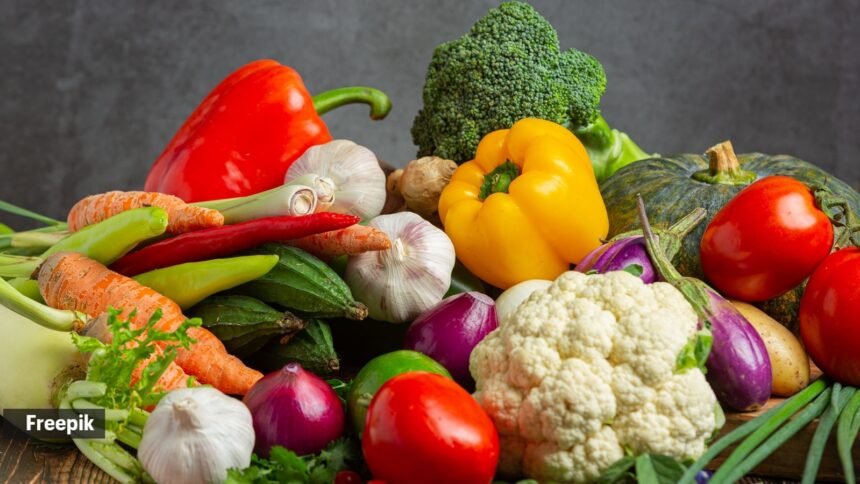
India’s food regulator, the Food Safety and Standards Authority of India (FSSAI), has issued an advisory on storing vegetables this to keep them fresh, safe, and nutritious. “Don’t let the summer heat spoil your vegetables! The right storage habits can keep them fresh, safe, and nutritious for longer,” it read in a post on its official X account.
It listed the following measures:
Clean and dry green leafy vegetables properly
Wrap in a clean paper towel (avoid newspaper)
Store in net or perforated bags so that they can breathe
“Start with smart storage,” it read.
DISCLAIMER:
To verify, we reached out to Dt Amreen Sheikh, chief dietitian, KIMS Hospitals, Thane, who said that summer heat creates ideal conditions for vegetables to lose freshness quickly. “Higher temperatures and humidity can speed up moisture loss and encourage bacterial and fungal growth. This is why vegetables that looked in the market may wilt or spoil faster at home if not stored correctly.”
Why is drying vegetables after washing considered important?
Many people wash vegetables and place them directly in the refrigerator, but excess moisture can cause problems, said Sheikh. “Water trapped on the surface creates a damp environment that accelerates spoilage. Gently drying vegetables before storage can help them stay fresh for longer.”
The advisory recommends wrapping leafy vegetables in a paper towel. How does this help?
Leafy vegetables naturally contain a lot of water. “A paper towel helps absorb extra moisture released during storage. This keeps the leaves from becoming soggy and slimy. It is a simple step, but it can help preserve freshness and texture,” said Sheikh.
Why are net or perforated bags better than tightly sealed plastic bags?
Vegetables need airflow as well. “Completely sealing them inside plastic can trap moisture and create condensation, especially during summer. Net or perforated bags allow some air circulation and reduce the chances of early spoilage.”
Are there common storage mistakes people make at home?
Yes, one common mistake is storing all vegetables together without considering their needs. Another is overstuffing the refrigerator. “Crowding reduces air circulation and can affect freshness. often ignore damaged or spoiled vegetables; one spoiled item can affect others stored nearby,” said Sheikh.
Don’t let the summer heat spoil your vegetables!
The right storage habits can keep them fresh, safe, and nutritious for longer.
Eat fresh. Eat safe. Eat right.
— FSSAI (@fssaiindia)
Think of vegetables as fresh produce, not shelf items. “A few small habits, such as removing excess moisture, storing them correctly, and using them on time, can help preserve quality, reduce food waste, and support food safety.”
DISCLAIMER:

