



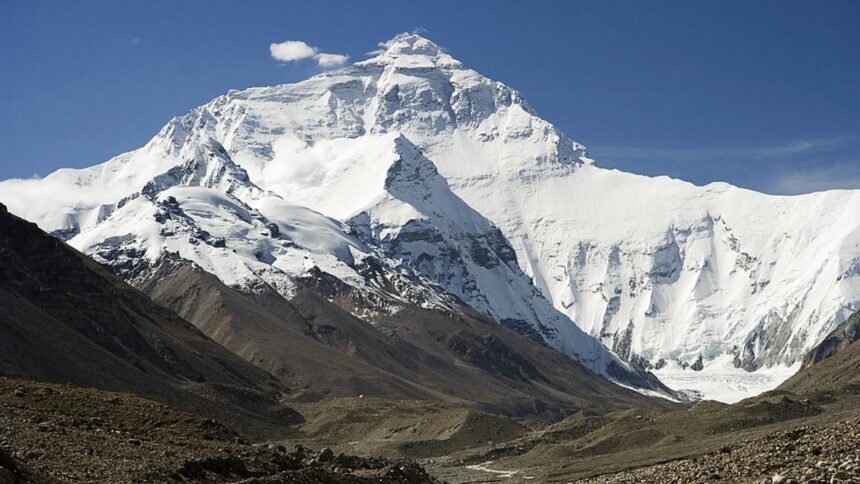
A Nepali guide, forced to “stay behind” at Mount Everest and reportedly discovered after six days, has revealed that he survived by “chewing ice” and “eating a few chocolates” from his pocket. Speaking to BBC Nepali while being treated for dehydration, frostbite and a fractured bone in Kathmandu, Dawa Sherpa said, “I didn’t think I would be alive. I thought I would perish this way.”
He also asserted that he did not “go missing” during the descent, but was instead forced to “stay behind” as his oxygen ran out.
He was spotted by a cleanup team at the Base Camp. “I didn’t eat anything for the first two days. Then I began chewing ice. It hurt my teeth. I chewed the ice hard.”
DISCLAIMER:
Taking a cue from this incident, what should one be eating to survive in extreme weather conditions?
Dr Amit Saraf, director, internal medicine, Jupiter Hospital, Thane, at very high altitudes, oxygen levels are much lower, making any physical activity more challenging. “The body quickly loses heat, breathing becomes hard, and dehydration can happen surprisingly fast due to increased water loss when breathing,” said Dr Saraf.
Without enough nutrition, hydration, and shelter, a person risks hypothermia, frostbite, confusion, impaired judgment, and potentially life-threatening altitude sickness. The body’s energy needs also increase as it works harder to maintain a stable core temperature, he described.
So, in a survival situation at extreme altitude, even small sources of hydration and energy can make a big difference. “Chewing ice may provide limited water and help reduce dehydration when liquid water is not available. However, ice does not hydrate effectively because the body has to use energy to melt and warm it,” said Dr Saraf.
Chocolates, on the other hand, are a concentrated source of calories. “They have sugars for quick energy and fats that provide lasting fuel. In tough environments where the body burns a lot of energy to stay warm and function, even a few bites of calorie-dense food can help delay exhaustion and support survival,” said Dr Saraf.
That said, surviving for several days above 7,500 meters involves much more than just food. Dr Saraf mentioned that physical conditioning, acclimatization, mental strength, weather conditions, and plain luck often play important roles.
If someone is stranded in extreme cold, what foods or drinks can improve their chances of survival?
The main focus is hydration and energy. “Warm fluids are best if available, but in emergencies, any safe source of water is vital. Foods that provide high calories in small amounts are especially useful. These include chocolates, energy bars, nuts, dried fruits, peanut butter, trail mixes, and other calorie-rich snacks,” said Dr Saraf.
Carbohydrates give quick energy, while fats offer longer-lasting fuel and help the body generate heat. “It’s also important to conserve energy, stay sheltered from the wind, and keep the body as dry as possible. While food and water can support survival, protection from cold exposure is the most critical factor in preventing serious complications,” said Dr Saraf.
DISCLAIMER:

