Jindal Stainless expects a reduction in the EU import quota for India and availability of scrap to push up costs in the coming months, even as it attempts to pass on incremental costs to consumers. However, the company has diversified scrap sourcing in advance to mitigate the impact.
Exports accounted for 11 per cent of the company’s total sales in the September quarter, against 9 per cent in the year-earlier period. The company confirmed a year-on-year increase of around 36 per cent in exports, although it did not disclose the absolute figures.
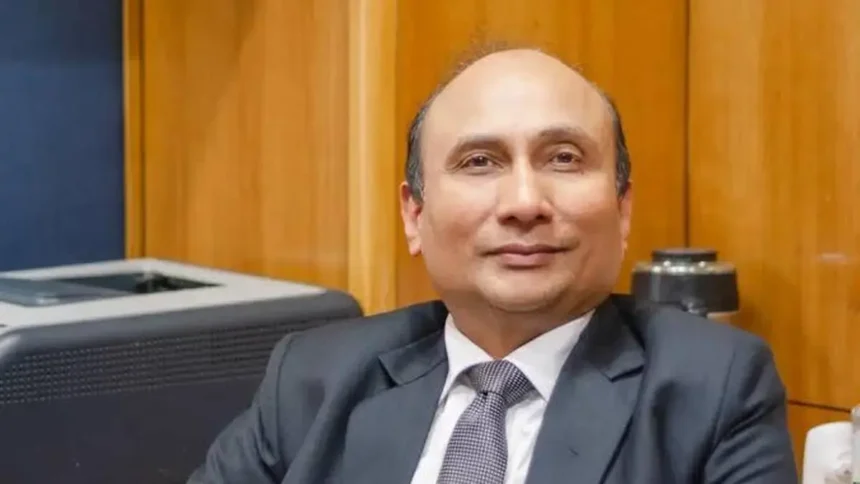
Tarun Khulbe, CEO, Jindal Stainless, said although fuel supplies improved, fluctuations in fuel prices, container availability and ocean freight rates continue to pose challenges for both imports and exports. As the company imports raw materials and exports finished products, he said the company leveraged shipping requirements across both operations to some extent.
However, any sharp increase in energy, raw material or freight costs could put pressure on margins, even as cost increases are gradually passed on to customers, he added in an interaction with media.
“The EU has revised the quota available to India to roughly one-third of the earlier allocation. We are exploring the use of quota available under the India-EU free trade agreement to mitigate the impact,” said Khulbe.
The company has also revised its sales volume growth forecast down to 4-6 per cent from 7-9 per cent, citing first-quarter disruptions and ongoing uncertainties around energy prices and logistics. However, it raised FY28 EBITDA-per-tonne guidance to ₹20,000-22,000 from ₹18,000-20,000.
The company also flagged potential risks from proposed European restrictions on scrap exports. India relies heavily on imported scrap because domestic generation remains limited, with Europe among the major sources. While restrictions on European scrap exports could push prices higher, diversified sourcing arrangements are expected to help mitigate the impact, he said.
Gas availability has improved since the first quarter, though uncertainty persists amid price fluctuations and reports of some suppliers in western India capping allocations to long-term customers. The company has not faced such restrictions so far.
The outlook for the second half will depend on global market conditions and the ability to sustain export momentum. The company intends to protect its position in developed markets while expanding its presence in other geographies.
Published on October 22, 2026