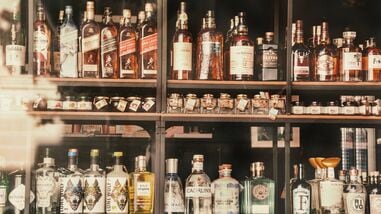
Delhi residents may soon have access to a wider selection of premium liquor brands at upgraded retail stores, with a committee clearing the way for the rollout of a new policy, the Times of India (TOI) reported.
However, the overhaul could also make alcohol more expensive in the national capital, as the Delhi government plans to raise both excise duty and retailer margins, a senior official told the newspaper.
According to sources cited in the TOI report, the proposed policy aims to expand the availability of premium liquor, introduce more brands, and revamp the format and facilities of retail outlets—all while boosting the government’s revenue from liquor sales.
According to the TOI report, two key financial tweaks under consideration are expected to push up retail prices across the city.
At present, excise duty is levied at varying rates based on the liquor category and wholesale price, ranging from 30% to 300% across . The government, the TOI report said, is planning to increase these rates.
Currently, sellers receive a fixed profit margin of ₹50 per bottle on Indian-made foreign liquor (IMFL) and up to ₹100 per bottle on foreign liquor.
Raising these margins is intended to incentivise outlets to stock and promote pricier, premium brands—though the added cost is likely to be passed on to consumers, the publication said.
Under the proposed framework, the Delhi government does not plan to bring private companies into retail operations, the Times of India reported. Maintaining the existing setup, the four agencies will continue to manage the city’s more than 700 liquor shops.
Instead, the official told TOI that reforms will centre on upgrading the size, facilities, and overall functioning of these outlets to improve the shopping experience and expand premium offerings.
The revenue push comes as Delhi looks to scale up collections: liquor sales fetched roughly ₹6,300 crore in 2025–26, while the target for the current financial year has been pegged at ₹7,200 crore.
While Delhi Chief Minister discussed the policy with her cabinet colleagues last Friday, TOI sources said that the actual rollout may take some time.
The upcoming Punjab assembly elections are believed to be a key factor behind the potential hold-up. With drugs and liquor serving as major political flashpoints in Punjab—where the BJP has repeatedly targeted the Aam Aadmi Party (AAP) government over the issue—sources told the TOI that unveiling a new liquor policy in Delhi at this juncture could hand the opposition fresh political ammunition.