



BlueBinaries, a company that offers software and engineering services for the mobility industry, will acquire the automotive testing business of Germany-based MicroNova AG.
The acquisition will bring MicroNova’s expertise in test systems, especially Hardware-in-the-Loop (HIL) systems, into the BlueBinaries fold, while also increasing its customer base and team strength.
HIL systems allow real electrical components in a vehicle to be tested using computer simulation of the automobile.
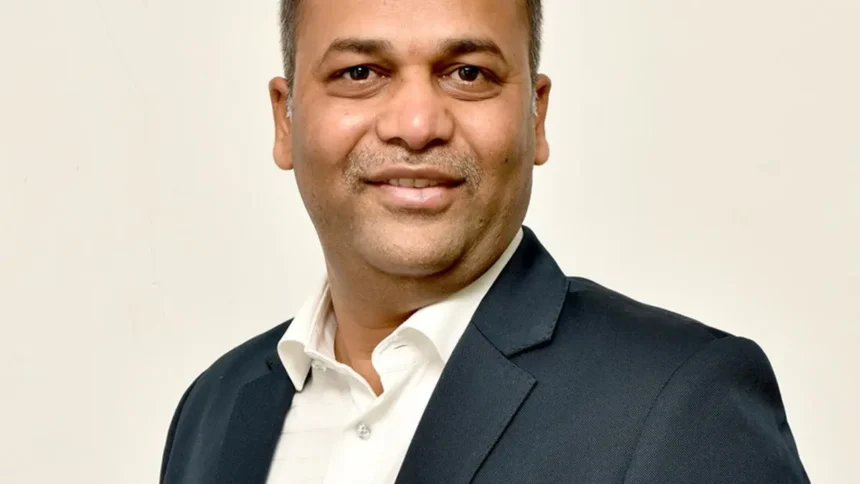
Speaking to businessline, Kishore LM, Founder and COO of BlueBinaries, said that with the acquisition, BlueBinaries aims to scale MicroNova’s technology globally and become a stronger player in the HIL systems market, estimated to be over $2 billion by 2032.
He added that the deal will be funded by a combination of both existing and new investors and is expected to close in the next 60 days. He did not reveal the deal amount, citing non-disclosure agreements with MicroNova AG.
BlueBinaries is expecting to close FY27 with a topline of $20-$25 million, which, after adding the $20 million business from MicroNova is expected to push the company’s total revenue for the year above $50 million.
BlueBinaries has grown around 15-22 per cent annually over the past 2-3 years and has a long-term target of hitting $100 million in revenue over the next three to four years.
The acquisition will also offer cross-selling opportunities for the company. “With both BlueBinaries and Micronova’s testing business, we now are in a position to offer end-to-end testing services to both our customers,” he said.
Post the acquisition, the company plans to carve out business as a separate company within the BlueBinaries group under the new name NovaBinaries GmbH.
Over the long-term, BlueBinaries is also evaluating entering into other industries beyond automotive with aerospace, industrial automation and robotics identified as possible options.
The company has a team of around 550 engineers spread across offices in India, UK, Germany and Austria with plans to add another 60-80 people over the next 12-18 months.
Published on September 24, 2026