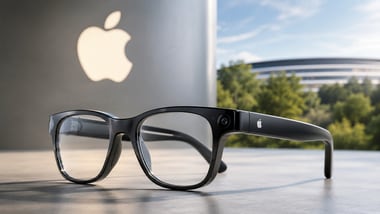
Apple is reportedly preparing to make Siri AI the centrepiece of its upcoming smart glasses, as the company looks to strengthen its position in the growing wearable technology market. The smart glasses, currently known as the N50, are expected to be unveiled at the Worldwide Developers Conference (WWDC) in June 2027 and will enter production before the end of this year. According to Bloomberg’s Mark Gurman, Apple wants to use Siri’s integration with third-party applications to help users perform everyday tasks without reaching for their iPhones.
Apple’s decision follows a surge in competition from the likes of Meta and Google in AI-powered smart glasses. The developer ecosystem and Siri’s enhancements are the company’s strengths that it hopes will set its new wearable apart from competitors.
wants to give users access to some iPhone features via voice commands using its new smart glasses. Siri would allow users to book restaurant tables on OpenTable, book rides on Uber and Lyft, order coffee from Starbucks and purchase movie tickets on Fandango, all without opening any of these apps.
With the launch of iOS 27.3 in December 2026, Apple is getting ready to provide support for its own apps. Third-party developer support might come in a later release, giving app developers time to bring their services into the “glasses” ecosystem, said Gurman.
According to him, the first-generation glasses will not feature augmented reality displays. Instead, they will be more interested in features such as Visual Intelligence, navigation, calls, messaging, live translation, notifications and smart home controls.
The glasses will work alongside a paired , with third-party applications running on the smartphone rather than directly on the wearable. Apple is also reportedly testing a customised version of VisionOS 28 as well as a chip based on the older Apple Watch chips.
Separately, is focusing on Face ID for its second-generation foldable handset, the V78. According to Gurman, the company has already developed prototypes featuring facial recognition technology integrated into the outer display.
Apple is also planning to introduce an action button in the iPhone Duo 2, with the suggestion that it be used alongside the camera control button to free up space on the device.
However, the inclusion of Face ID remains uncertain. If Apple is to launch the second-generation foldable iPhone in the fall, the company has little time to finish up the integration.
There are also ideas for other enhancements such as a telephoto camera and a slimmer, lighter design. Gurman said customer feedback on the first-generation iPhone Duo is unlikely to affect any hardware changes until the third generation, which is already in progress.