



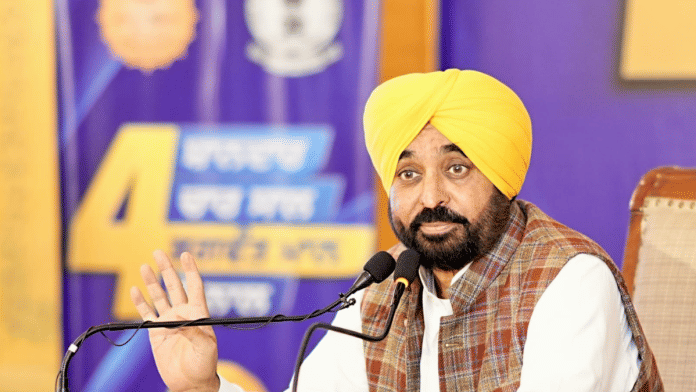
The Enforcement & Seizure data is shocking. NDPS cases registered under the Yudh Nasheyan Virudh campaign saw a sharp increase of 40 per cent between 2022 and 2026. Heroin recovery spiked by 148 per cent, and crystal methamphetamine seizures went up by 447 per cent compared to the previous five years. The state has the dubious distinction of having the highest conviction rate in the country for drug-related cases at 89 per cent, as well as the highest number of drug-related deaths.
A hymn in the Guru Granth Sahib reads:
ਮਾਣਸੁ ਭਰਿਆ ਆਣਿਆ ਮਾਣਸੁ ਭਰਿਆ ਆਇ ॥
ਜਿਤੁ ਪੀਤੈ ਮਤਿ ਦੂਰਿ ਹੋਇ ਬਰਲੁ ਪਵੈ ਵਿਚਿ ਆਇ ॥
ਆਪਣਾ ਪਰਾਇਆ ਨ ਪਛਾਣਈ ਖਸਮਹੁ ਧਕੇ ਖਾਇ ॥
ਜਿਤੁ ਪੀਤੈ ਖਸਮੁ ਵਿਸਰੈ ਦਰਗਹ ਮਿਲੈ ਸਜਾਇ ॥
(A person comes into the world filled with pride and ego.
By drinking that which intoxicates, wisdom departs, and madness enters the mind.
One can no longer distinguish between one’s own and others, and is cast away from the divine.
That drink which makes one forget the Lord brings punishment in the divine court.)
Punjab is at the edge of the Golden Crescent of the Global Drug Manufacturing hub of Pakistan, Afghanistan, and Iran.
The AAP government, despite lofty poll promises, has been unable to fix the problem of unemployment. Decades of terrorism have broken the back of a lion-like people. Years of misgovernance have allowed the drug mafia and its networks to thrive. Porous borders, cross-border targeting by Pakistan, and inventive use of technology such as drones and smartphones—supported by the global narcotics syndicate—have created a clientele among Punjabi youth who are disillusioned and disenfranchised. The stagnation in the state’s agricultural sector and rising unemployment due to a lack of industrialisation are strong incentives for substance abuse.
Several Punjabi singers have faced criticism for glorifying drug use, alcoholism, and violence. These singers make references to chitta (heroin) and feem (opium). This was the inspiration for Shahid Kapoor’s character in Udta Punjab.
After a decade of the drug menace in Punjab, there has been no resolution. Rather, it has escalated. Captain Amarinder Singh took an oath on the Gutka Sahib and Damdama Takht to obliterate the drug devil from the state within four weeks of sweeping to power in the 2017 Assembly elections. Just prior to the 2019 general elections, he appealed to the Centre to sentence convicted drug peddlers to death. Mandatory drug tests for government employees ignited a political slugfest.
Last month, AAP youth leader Lovepreet Singh was arrested for the possession of 4.3 kg of heroin. In a separate incident in April, AAP leader Kamal Kumar was summoned by the NCB in a drug-related case. Parminder Singh, AAP-backed sarpanch of Kalsian Kalan village, was also arrested in connection with a major drug trafficking case.
The AAP government’s budget in Punjab reveals the hollowness of its commitment to tackle the drug menace. It has allocated Rs 150 crore for a “drug census”, and another Rs 51.4 crore for anti-drone systems and home guards, ostensibly to police the borders. Yet there is no allocation for rehab, de-addiction centres or youth recovery programmes. Clearly, the government’s policies are misplaced. It is concentrating on managing optics while the beleaguered youth of the state battle addiction. There is a complete lack of a focused anti-drug strategy. After years of hollow promises, the Bhagwant Mann government is unable to provide decisive governance, institutional enforcement, and long-term rehabilitation.
The past week saw the defection of seven AAP Rajya Sabha MPs, led by Raghav Chaddha and Ashok Mittal, into the BJP. This lays bare the fragility and inconsistency within the party, more so at a time when the state needs united and determined leadership against the drug menace. It is apparent that those who were chosen to lead the party in Parliament have lost faith in its ideology and direction. Why then should the youth of Punjab believe that the state government has the resolve or commitment to save them from addiction?
The political instability resulting from years of incompetent governance has brought Punjab to its knees. It’s time for people to opt for the winds of change that only the BJP can bring. As the Naxalites have been eradicated from the heartlands of Bharat, so shall the drug disease be banished from Punjab.
In a recent address by home minister Amit Shah, the BJP has promised to make Punjab drug-free within two years of coming to power. While this assurance may appear ambitious, it does reflect a certain seriousness, a commitment that Punjab urgently needs. The Modi government has a national record in dealing with terrorism and Naxalism, welfare delivery, and restoring administrative accountability. Its commitments are backed by political will.
Punjabi youth are seeking greener pastures both overseas and in the rest of India. The state’s finances are deteriorating, and industrial development is lagging. The AAP hasn’t been able to make good on its poll promises of creating jobs, improving healthcare, and improving farmer security. Governance has been replaced by optics, which is the AAP’s modus operandi. Punjab deserves leadership of outcomes—not optics.
The BJP is offering an alternative built on infrastructure, investment, and institutional stability. All over India, BJP-led governments have expanded roads, modernised logistics, strengthened mechanisms, and improved direct benefit transfers. Punjab, with its strategic location and entrepreneurial population, can thrive again with BJP’s governance.
In the land of my ancestors, it is time to vote for a government of stability, development, and progress. It is time to vote for the double engine of Modi and Shah. It is time to vote for the BJP.
(Edited by Prasanna Bachchhav)

