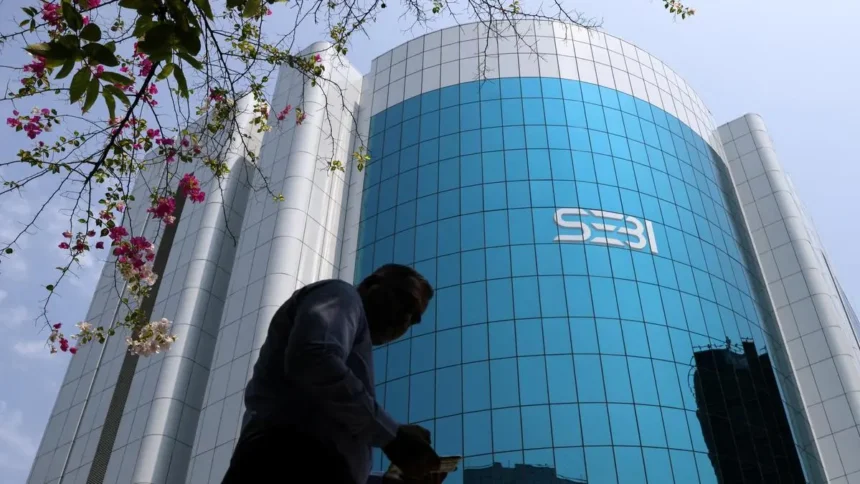
The market regulator, SEBI, will look into the Tata Steel–APL Apollo deal, Chairman Tuhin Kanta Pandey indicated on Friday.
After addressing the Capital Market Conclave by the industry chamber, ASSOCHAM, he said that interest of minority shareholders has to be protected. “SEBI takes minority shareholder rights very seriously; we are looking into the TATA-APL deal. Investor protection is very important,” he said
On November 22, Tata Steel approved the sale of its tubes business and its entire stake in Tata Steel Colors to APL Apollo Tubes for a combined consideration of up to ₹28,000 crore, as part of its strategy to unlock value from its downstream portfolio and sharpen its business focus. Since the announcement, the deal has been facing a lot of questions on the issue of governance.
Earlier, while addressing the conference, he presented four priorities for the way ahead. First, he said that the regulator will keep simplifying the rulebook. A comprehensive review of the LODR framework is under way. It will remove disclosures that duplicate MCA filings and replace multiple exchange fines for the same lapse with one. “We are also reviewing the ICDR framework for IPOs, FPOs, preferential issues and QIPs, along with the SME IPO framework and the Innovators Growth Platform,” he said.
For stockbrokers, the regulator is exploring a graded compliance framework, so that obligations reflect a broker’s scale, client exposure and reliance on technology. “Harmonizing the frameworks for Investment Advisers and Mutual Fund Distributors is also under way,” he said,
Second, the regulator will deepen the markets that finance growth. “For corporate bonds, we are developing a market making framework with the RBI and the Ministry of Finance, covering liquidity, market infrastructure and repo access. Fixed Income Channel Partners will widen bond distribution through regulated online platforms. Phase 2 of Demat 2.0 will enable secondary trading of tokenized bonds,” Pandey said. In the cash market, the regulator is reviewing short selling and securities lending and borrowing to improve liquidity and price discovery.
In commodity markets, it has proposed an Early Pay-Out facility, for Farmer Producer Organizations in agri-commodity derivatives. This will ease their working capital needs and make hedging on exchanges more attractive. For AIFs, the regulator is simplifying requirements relating to investor consent, related-party transactions, co-investment and exits. “For REITs and InvITs, we aim to cut listing time from six working days to three and simplify rights issues,” Pandey said.
Third, the regulator will further ease access for global investors. “Through digital workflows and system integration, we aim to cut FPI onboarding from months to as little as five business days. We have also proposed removing the Additional Disclosure Framework for FPIs, which will bring our framework closer to global standards,” he said.
Fourth, the regulator will harness technology with safeguards. Working groups are preparing technology roadmaps for market infrastructure institutions, covering trading, clearing, settlement, surveillance and cyber resilience.
“We have proposed extending the IT and cybersecurity framework to the subsidiaries of MIIs. We are exploring a domestically governed AI model for the securities market, so that smaller regulated entities can use AI that is secure and affordable,” Pandey said, while adding that guidelines on the responsible use of AI are in preparation, and an AI sandbox will let innovators test applications in a controlled environment.
Published on November 27, 2026