State-owned oil marketing company Indian Oil Corporation has received the approvals required to supply sustainable aviation fuel (SAF) commercially from its Panipat refinery.
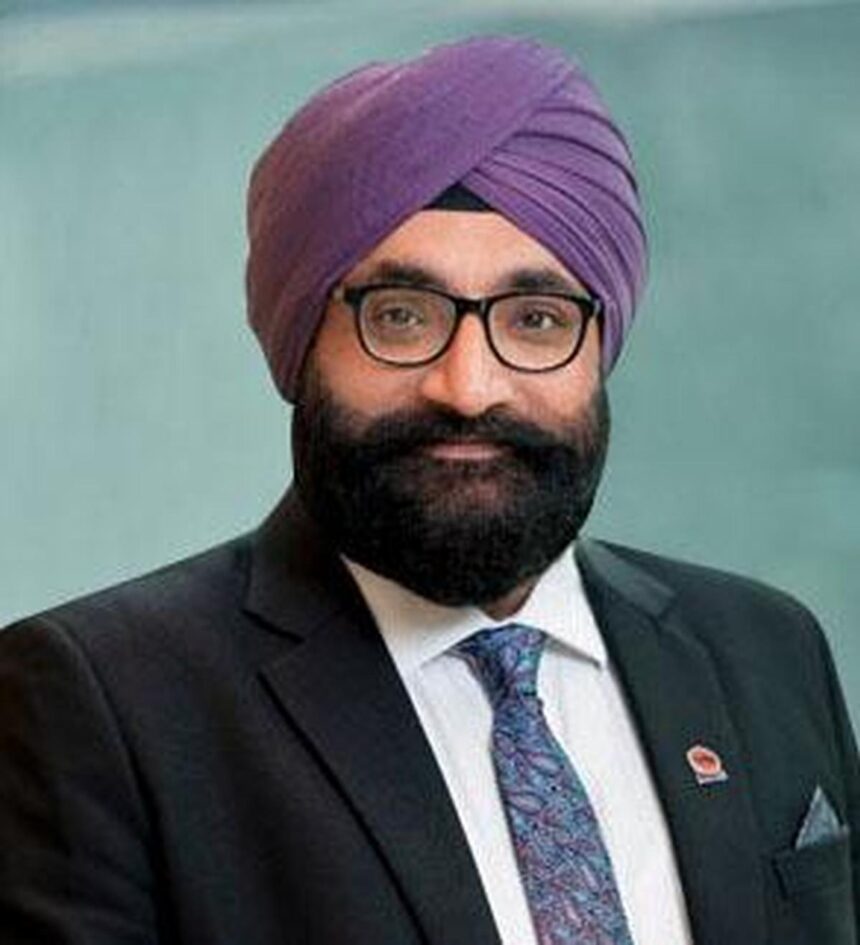
Speaking at the second India Sustainable Aviation Fuel Summit organised by FICCI, IndianOil’s Chairman A.S. Sahney said the company had received approval from the Directorate General of Civil Aviation (DGCA) the previous day.
“All the commercial approvals are now in place for us to deliver commercial scale SAF from Panipat,” he said.
According to Sahney, the refinery’s SAF co-processing facility had an annual capacity of around 30,000 tonnes, which he said could meet India’s initial 1 per cent SAF requirement for 2027.
At the same event, Civil Aviation Minister Ram Mohan Naidu Kinjarapu also acknowledged the DGCA approval, describing the Panipat development as an important achievement in building domestic SAF production capabilities.
The refinery at Panipat had earlier received ISCC CORSIA certification for SAF production in August 2025.
Besides, Sahney identified three priorities for building a commercially viable SAF industry, including dependable feedstock supplies, bankable demand and measures to bridge the initial cost gap.
He said that investors would require visibility on future revenues through purchase commitments from customers, enabling projects to secure financing.
“We need foresight, we need future-looking contracts, future-looking revenues with the potential customers, so that the projects become bankable,” he said.
Furthermore, Sahney suggested government assistance, including a possible production-linked incentive, to help contain the final cost of SAF.
“The government can pitch in with some kind of PLI, so that the cost of the final product can also be kept in check,” he said.
The call comes against the backdrop of the Centre’s proposed support framework for domestic SAF production.
Notably, businessline had earlier reported that the draft SAF policy envisages viability gap funding, green financing and long-term offtake arrangements, alongside possible tax and duty concessions.
However, these measures remain proposals, with the financial outlay to be determined by the Petroleum Ministry in coordination with the Civil Aviation Ministry.
Meanwhile, Sahney pointed to alcohol-to-jet technology and synthetic aviation fuels as opportunities for India, calling for collaboration among airlines, aircraft manufacturers, fuel producers and the government.
He said IndianOil and the wider oil industry were willing to invest effort and take risks to develop domestic SAF capabilities, while working with the government on the policy framework.
“We are ready to invest efforts. We are ready to take the risk here,” he said.
Published on November 17, 2026