D2C brands are increasingly combining their own digital channels, retail stores and third-party logistics networks to offer faster deliveries, as they seek to improve customer experience without taking on the high fixed costs of building independent hyperlocal infrastructure.
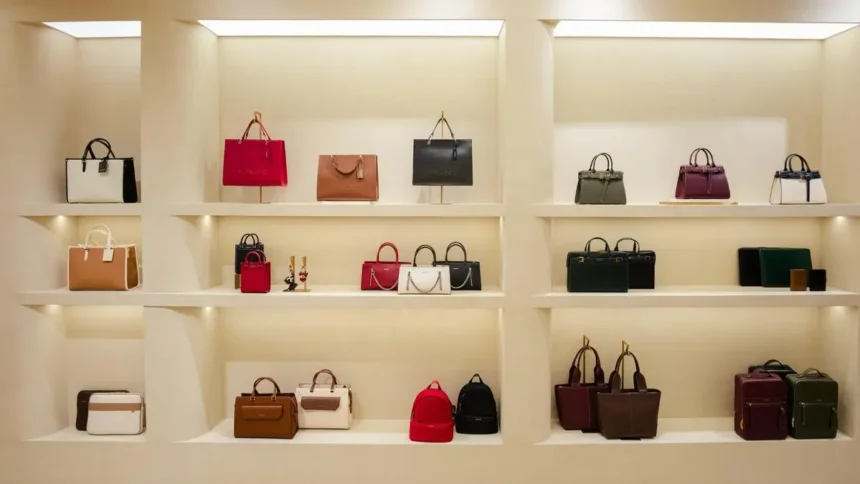
For fashion brands, the shift is also about bringing inventory closer to customers while retaining control over product discovery and larger purchases. Miraggio, the handbag and accessories brand, currently gets around 70 per cent of its online business from marketplaces and 30 per cent from its own website. It is targeting a mix in which its own channels, including retail and D2C, contribute 60 per cent of revenue, with marketplaces accounting for the rest.
“Speed matters, but we’re not chasing it at any cost. Our investment is in the backbone: inventory optimisation, supply chain, and more regional warehouse hubs, so products sit closer to where demand is,” said Mohit Jain, CEO and Founder, Miraggio.
SNITCH, meanwhile, is using its retail network and delivery partners to support its 60-minute SNITCH QUICK service, currently available in Bengaluru and Gurugram. Its website and app contribute 35-40 per cent of overall business, while marketplaces account for around 15 per cent and offline retail makes up the remaining 45-50 per cent. Within its online business, owned digital channels contribute nearly 70-73 per cent.
“We’ve already taken steps in this direction through SNITCH QUICK. Rather than building an entirely separate network of dark stores, our approach focuses on leveraging existing infrastructure, strategically positioning inventory and working with last-mile delivery partners,” said Chetan Siyal, Founding Member and CMO, SNITCH.
The cost of faster fulfilment remains a key consideration. SNITCH estimates that express delivery adds ₹60-120 per order, depending on distance, order density and the fulfilment model. It estimates that faster delivery could potentially improve conversion by 10-15 per cent among high-intent customers, though this is a directional estimate rather than a measured business-wide gain.
Brands are also seeing distinct purchase behaviour across channels. “Our own website is where our customer explores the wider range, and our stores carry an exclusive premium line,” Jain said, adding that the average order value is around ₹3,500 on the website, while the premium store line is expected to exceed ₹6,000.
The emerging model is less about replacing marketplaces or quick commerce and more about combining reach, assortment and fulfilment speed while keeping delivery economics sustainable.
Published on November 13, 2026