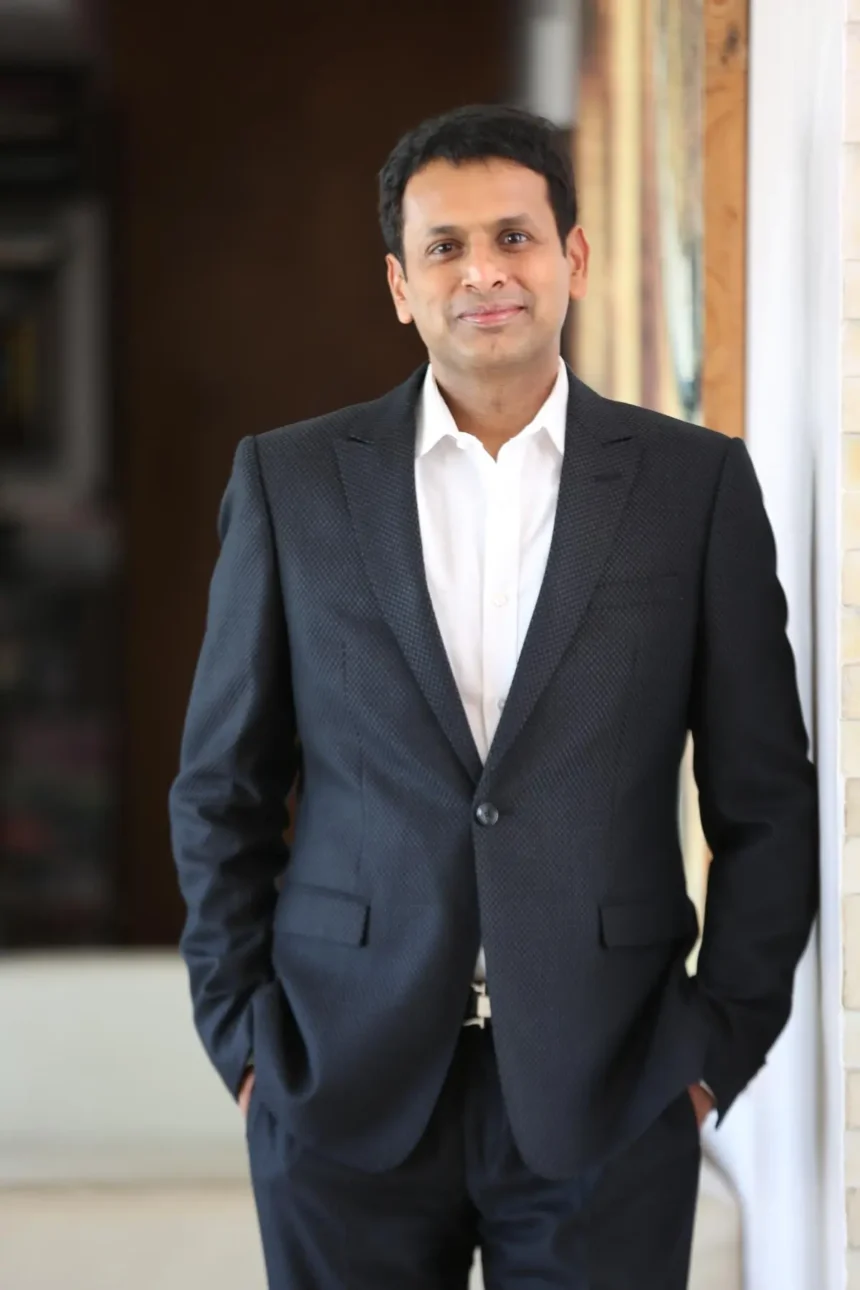
Events such as the Bharat Renewable Energy Summit & Expo (BRESE) 2026 offers India more opportunities to expand renewable energy, emphasises Vineet Mittal, Chairman of Avaada Group. He noted that such events can offer investment opportunities to create scale, innovation to make clean energy dependable, and international cooperation to make it accessible to everyone.
Edited excerpts:
What according to you is the significance of these summits?
For decades, energy security was determined by who controlled oil and gas reserves. I believe the coming decades will be shaped by who can harness, store and intelligently manage energy from nature. India has an extraordinary opportunity. We have abundant sunshine, significant wind resources, a large domestic market and the entrepreneurial capability to build solutions at scale.
That is why these three summits are so important. They are not simply conferences about RE. They represent three pillars of our future: investment to create scale, innovation to make clean energy dependable, and international cooperation to make it accessible to everyone. I believe India’s greatest contribution will not simply be how much renewable energy we install, but how we make clean energy affordable, reliable and accessible to billions of people.
How can India leverage these platforms to strengthen its clean energy ecosystem?
India has already demonstrated that it can generate solar electricity at globally competitive prices. Now we must demonstrate that we can manufacture the technologies that power this transition. There is an important difference between installing solar panels and mastering solar technology. Our ambition must extend across the value chain: polysilicon, ingots, wafers, high-efficiency cells, modules, glass, batteries, power electronics and intelligent energy management systems.
But manufacturing capacity alone is not leadership. True leadership means producing world-class technology with better efficiency, higher reliability, lower costs and continuous innovation. For instance, at Avaada, this philosophy drives our investments in advanced TOPCon solar cells, integrated solar manufacturing, battery storage and green fuels. We are building capabilities that connect generation, manufacturing and intelligent energy solutions.
What role can the private sector play through the International Solar Alliance?
I have always believed that energy is not merely a commodity. It is an instrument of human dignity. The ISA offers an extraordinary opportunity to bring affordable energy to communities that conventional infrastructure has not adequately served. But we must move beyond supplying equipment. The private sector should help create complete solutions combining solar generation, battery storage, affordable financing, local entrepreneurship and long-term maintenance.
The Global South does not need expensive technologies designed for entirely different economic conditions. It needs solutions that are affordable, durable, easy to maintain and suited to local requirements. India understands these challenges because we have confronted many of them ourselves.
How can India’s experience with PM-KUSUM and PM Surya Ghar be adapted for other developing countries?
PM-KUSUM and PM Surya Ghar demonstrate how public policy can make ordinary citizens active participants in the energy economy. But I believe the next chapter can be even more exciting. Imagine millions of homes equipped with rooftop solar, intelligent hybrid inverters and battery storage. These homes could generate electricity during the day, store it for the evening and, where regulations and infrastructure permit, support the grid through virtual power plants. At Avaada, our HALO integrated battery and hybrid inverter solution reflects this vision.
For developing countries, the lesson is to design programmes around people’s real needs: affordable electricity, reliable supply, simple financing and dependable service. Every country will need its own model, but the principle is universal.
How can government and private sector use these events to attract more financing?
India does not lack clean energy opportunities. The real challenge is converting opportunities into bankable projects at the speed our economy requires. Global capital is available for well-structured investments. But capital seeks predictability. Investors need confidence.
We should use these summits to deepen partnerships with sovereign wealth funds, pension funds, development finance institutions and global technology leaders. But investment announcements alone are not enough. What matters is how quickly commitments become factories, transmission lines, operating projects and affordable electricity. India has already demonstrated that clean energy can be affordable. Our next challenge is to make it dependable, available around the clock and globally competitive.
Published on November 4, 2026