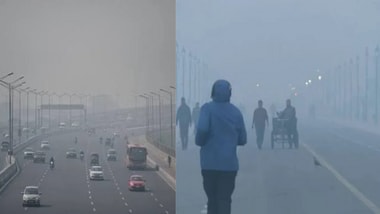
Delhi-NCR has been placed under Stage II of the Graded Response Action Plan (GRAP) after Delhi’s air quality entered the “Very Poor” category, with the air quality index (AQI) touching 324 on November 2. The Commission for Air Quality Management (CAQM) brought the measures into force with immediate effect, asking agencies across the region to intensify efforts to curb pollution.
For vehicle owners, it is important to note that the restrictions on older vehicles registered outside Delhi, which came into effect on November 1, are separate from the latest Stage II measures. The entry restrictions are part of the winter pollution-control measures and continue to apply alongside the GRAP restrictions.
The use of diesel generator sets for regular or commercial purposes is restricted, with exemptions for specified emergency and essential services. The burning or use of coal and firewood is also prohibited across Restaurants, hotels and eateries cannot operate tandoors that use coal or firewood as fuel.
Construction and demolition sites, as well as industrial units, that have been specifically directed to shut down cannot resume operations. Vehicles without a valid Pollution Under Control (PUC) certificate may face enforcement action, including penalties and possible refusal of fuel at petrol pumps.
Restrictions may also apply to the entry and movement of older or non-compliant interstate commercial and goods vehicles, depending on the applicable emission standards and government notifications.
Electric vehicles (EVs), CNG-powered vehicles and BS-VI-compliant vehicles can continue to operate, subject to applicable traffic and pollution-control regulations. Vehicles with valid PUC certificates can also ply as per normal traffic rules.
Diesel generator sets may be used for permitted emergency and essential services, including hospitals, healthcare facilities and lifts, in accordance with the applicable exemptions.
Meanwhile, anti-pollution activities such as mechanised road sweeping, regular water sprinkling with dust suppressants and targeted measures at pollution hotspots will continue across Delhi-NCR.
Authorities may also raise parking charges and introduce staggered office timings to discourage private vehicle use and reduce traffic-related emissions.
The key vehicle restriction currently in force took effect on November 1, ahead of the latest Stage II order. Under this rule, petrol and diesel vehicles registered outside Delhi that do not meet BS-VI emission standards are barred from entering the national capital until January 31, 2027.
Here is what vehicle owners need to know:
The restrictions also require buses entering Delhi under different permit categories, including tourist and contract carriage services, to run on BS-VI diesel, CNG or electricity. Delhi-registered buses are exempt from this particular entry rule. Trucks passing through Delhi to reach other destinations must use the peripheral expressways.
No, this doesn’t mean that -registered BS-IV petrol and diesel cars are banned. The November 1 restriction specifically targets non-BS-VI petrol and diesel vehicles registered outside Delhi. Delhi-registered private cars are not covered by this particular entry ban, although other applicable vehicle rules, including age-related restrictions and valid PUC requirements, continue to apply.
Bharat Stage (BS) emission standards specify the permissible limits for pollutants emitted by new vehicles before they are approved for sale. Vehicle manufacturers must demonstrate compliance through laboratory testing. India transitioned directly from BS-IV to BS-VI norms on April 1, 2020, bypassing the BS-V stage.
If you are driving to work in Delhi, keep these points in mind:
1. Check your vehicle’s registration state: If your petrol or diesel car is registered outside Delhi and is below BS-VI, it cannot enter the capital under the November 1 restriction.
2. Check the emission standard: BS-VI vehicles are permitted under the entry rule, while electric and CNG vehicles are exempt.
3. Keep your PUC certificate valid: Carry the relevant vehicle documents and ensure your Pollution Under Control Certificate is valid. Vehicles without a valid PUC may face enforcement action.
4. Consider public transport: CAQM has advised commuters to minimise private vehicle use and opt for public transport.
5. Plan for staggered office timings: Delhi and NCR state governments have been advised to stagger the timings of public offices and municipal bodies in Delhi, Gurugram, Faridabad, Ghaziabad and Gautam Buddha Nagar. The Centre may also consider staggered timings for its offices.