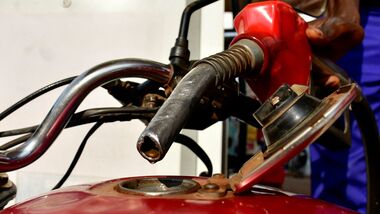
Petrol and diesel prices today, October 16: State-run oil companies kept petrol and diesel prices unchanged after their daily revision at 6:00 AM on Friday, October 16, despite the US-Iran war pushing up global crude oil and fuel costs.
However, the CNG prices increased in eight locations. While New Delhi, Rewari and NCR recorded no change, Chennai, Mathura and Meerut saw the largest CNG increases, at ₹2 each.
Across major metros, fuel rates have held their ground since June.
In Mumbai, the retail price of petrol stood at ₹111.21 per litre, unchanged from yesterday’s ₹111.21. Over the past few days, the fuel rate in the financial capital has seen minimal movement, fluctuating marginally between ₹111.18 and ₹111.21.
Oil prices edged lower on Friday morning as investors balanced escalating geopolitical tensions in the Middle East against potential US moves to ease sanctions on the global “shadow fleet” of oil tankers.
By 0012 GMT, Brent crude futures had fallen 41 cents, or 0.39%, to $105.51 a barrel. US West Texas Intermediate (WTI) crude futures dropped 54 cents, or 0.55%, to $97.43 a barrel, Reuters reported
The morning dip followed a mixed Thursday session, with WTI settling more than 3% higher on the back of a large drawdown in US crude inventories, while Brent remained largely flat.
In a bid to boost global supply and cool soaring energy costs, the International Energy Agency (IEA) agreed on Thursday to release over 20 million barrels of diesel into the market.
The agency also authorised the release of any remaining oil from a record emergency reserve pledge made earlier in March.
However, market participants remain sceptical. Addressing the overnight price gains in the previous session, a Friday note from Haitong Futures observed that “investors were dissatisfied with these measures.”
The brokerage noted, “What would really cool the oil market is an easing of tensions in the Middle East.”
Providing some downward pressure on prices are ongoing discussions in Washington aimed at reducing record-high global freight rates.
A US official told Reuters that the Trump administration is considering lifting sanctions on select “shadow fleet” vessels—tankers that have historically transported petroleum products from sanctioned nations including Russia, Iran, and Venezuela.
The policy review comes just days after President Donald Trump temporarily lifted sanctions on Russian diesel fuel. That decision sparked immediate backlash from Ukrainian President Volodymyr Zelenskiy, European allies, and several Republican members of the US Senate.
Despite potential supply-side interventions, crude prices remained supported by a sharp deterioration in Middle Eastern security.
Attacks around critical shipping waterways have surged over the past 10 days. Iran recently announced it was stepping up strikes in direct retaliation for a US blockade of its ports and tougher sanctions introduced last month.
Simultaneously, the conflict between Saudi Arabia and Yemen’s Houthi rebels continues to intensify. On Thursday, Houthi forces fired missiles at the presidential palace complex in the southern port city of Aden, killing two guards. The Saudi-led military coalition in Yemen also detailed dozens of recent attacks targeting Saudi infrastructure, adding sustained risk premiums to the global oil market.
(With inputs from Reuters)