



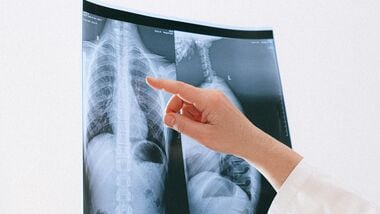
From cooking smoke in poorly ventilated kitchens to prolonged exposure to traffic-related air pollution, everyday pollutants can expose the lungs to harmful particles and chemicals. Doctors explain how repeated exposure damages lung tissue and raises the risk of cancer.
Lung cancer cases are rising rapidly in the country. While smoking is a major cause, it is not the only factor that harms the lungs. In India, millions face daily exposure to traffic fumes, industrial emissions, construction dust, and household smoke from solid fuels. These exposures can damage the lungs as severely as smoking.
Dr Mukul Thorat, Consultant – Pulmonologist & Intensivist, New Era Hospitals, Vashi, Navi Mumbai, and Dr Siddhesh Trymbake, Consultant Clinical & Radiation Oncologist, TGH Onco Life Cancer Centre, Talegaon, explain how kitchen smoke and traffic fumes can harm the lungs and increase the risk of lung cancer.
“People should understand that when polluted air is inhaled every day, the fine particles and harmful substances can get lodged in the respiratory system. Constant exposure can lead to inflammation, oxidative stress and even repeated injury to lung cells. Hence, this damage that tends to happen over the years can then induce changes in cells and increase the risk of lung cancer, particularly when combined with other risk factors such as smoking or occupational exposure,” says Dr Thorat.
“There are many women who still cook in a poorly ventilated space, with biomass fuels such as wood, charcoal, or other solid fuels, that can produce fine particulate matter and several harmful compounds. So, they may be exposed to smoke daily. Repeated exposure to smoke inside the home should not be ignored, thinking it is harmless just because it comes from cooking. Burning solid fuels tends to release fine particles and other pollutants that can be inhaled and can go deep into the lungs,” says Dr Thorat.
“When exposure happens repeatedly, particularly in a poorly ventilated kitchen, these particles can cause irritation, inflammation and oxidative stress in the respiratory tract. Over a long period, repeated injury can affect the normal functioning of lung cells and lead to problems, including cancer. Improving kitchen ventilation, using cleaner cooking fuels, and reducing the amount of smoke inside the house can help you save your lungs,” he adds.
“People living or working near busy roads, traffic police, delivery workers, drivers, street vendors, and those who spend several hours commuting may experience exposure to air pollution that is linked to traffic. Vehicle exhaust contains fine particulate matter and other pollutants that can enter the lungs, causing inflammation and oxidative stress. Some pollutants can also cause cellular and genetic damage. When such exposure continues for years, repeated injury and abnormal cellular changes can raise the chances of . So, while lung cancer has multiple causes, such as smoking, second-hand smoke, occupational exposures and family history, air pollution is also one of the risk factors for lung cancer,” says Dr Trymbake.
A persistent cough, coughing up blood, sudden weight loss, chest pain, and fatigue should be reported to a doctor for timely diagnosis and treatment.
“If the diagnosis of lung is confirmed, then the treatment will be decided based on the location of the tumour, the stage of cancer and the patient’s overall well-being. The treatment will involve surgery, chemotherapy, radiation therapy, immunotherapy, or targeted therapy, either alone or in combination, to enhance lung functioning and the quality of life,” said Dr Trymbake.
“Avoid smoking and second-hand smoke, improve ventilation while cooking and limit exposure to air pollution. Wear a mask if you are required to venture out when the air quality outside is poor. Check the air quality in your area regularly to ensure you are safe. Those with occupational exposure should use appropriate protective equipment and follow workplace safety measures. Try to follow these tips and keep the lungs healthy,” says Dr Thorat.
(The author, Nivedita, is a freelance writer. She writes on health and travel.)