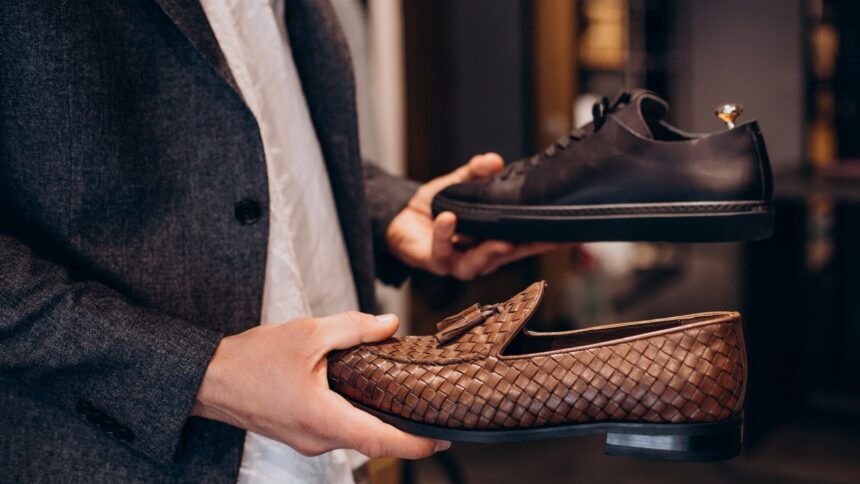
The shoes you wear may be affecting more than just your outfit. Orthopaedic surgeon and integrative medicine specialist Dr Kiran Shete recently rated different types of footwear on social media, giving training shoes a perfect 10/10 while scoring slip-ons and cheap flexible shoes near the bottom. His broader point: not all shoes support your body equally, and poor choices may increase stress on the feet, ankles, and knees.
But do these ratings really matter? We asked Dr Rakesh Nair, consultant knee replacement surgeon at Zen Multispeciality Hospital, Chembur, to weigh in. Here’s what he has to say.
DISCLAIMER:
Dr Shete gave running shoes a strong 8/10, and Dr Nair says that’s largely fair. “Good cushioning and shock absorption make running shoes comfortable for walking, jogging, and daily use. They help reduce pressure on the knees and feet during movement,” he said.
That said, he pointed out that running shoes are not automatically ideal for every activity. While they absorb impact well, some may not offer enough side support for gym workouts or sudden directional movements.
Slip-ons scored poorly — and with reason. “Slip-on shoes usually provide poor foot grip and stability because the foot tends to move inside while walking,” Dr Nair explained.
That movement may increase the risk of imbalance, ankle twisting, or foot strain, especially during . While convenient for quick errands or casual use, they may not be the best choice for prolonged wear.
Training shoes got the highest score, and experts appear to agree. Unlike heavily cushioned running shoes, training footwear is designed for stability. That makes them especially useful during strength training, gym workouts, and functional exercises where balance matters.
“Their design helps improve stability and lowers the risk of workout-related injuries,” Dr Nair said. If your routine includes squats, lunges, or weights, these may be among the safest options.
Minimalist shoes got a middling score — and they remain one of the more debated categories. These shoes encourage natural foot movement and flexibility, but they are not ideal for everyone.
Dr Nair explained that while some people adapt well to them, others — particularly beginners or those with existing foot concerns — may experience extra stress on the feet and calf muscles because of reduced cushioning and support.
Highly cushioned footwear also received a moderate rating. While soft soles may feel comfortable at first, too much cushioning can sometimes compromise stability, particularly during workouts or movements requiring firm footing.Comfort, experts suggest, is not always the same as support.
This category received one of the harshest scores. Flimsy shoes often lack proper arch support, shock absorption, and structural stability. Over time, poor support can affect foot alignment and place extra strain on joints. A shoe that bends easily may feel light and comfortable initially, but experts warn that long-term support matters more.
To put it simple, there’s no single “best” shoe for everyone. The right choice depends on what you’re doing — but if stability, support, and joint health matter, not all footwear deserves equal footing.
DISCLAIMER: