HbA1c (haemoglobin A1c or glycated haemoglobin, which measures average blood sugar levels over two to three months) is a useful long-term marker, but it has limitations. Dr Vijay Negalur, HoD of diabetology at KIMS Hospitals, Thane, said that conditions such as anaemia, certain haemoglobin variants, recent blood loss, kidney or liver disease, and even pregnancy can distort results. “In these situations, a more dynamic and is more effective,” said Dr Negalur.
Responding to a Quora query: ‘What is the best way to monitor blood glucose levels over time if the HbA1c test isn’t reliable for everyone?’, Dr Negalur said that one of the best tools available today is Continuous Glucose Monitoring (CGM).
DISCLAIMER:
“A small sensor placed under the skin tracks glucose levels all day and night. It offers a detailed view of trends, fluctuations, and responses to meals, stress, and activity. Instead of just a single average, CGM provides metrics like time in range, which is often more meaningful for day-to-day management,” said Dr Negalur.
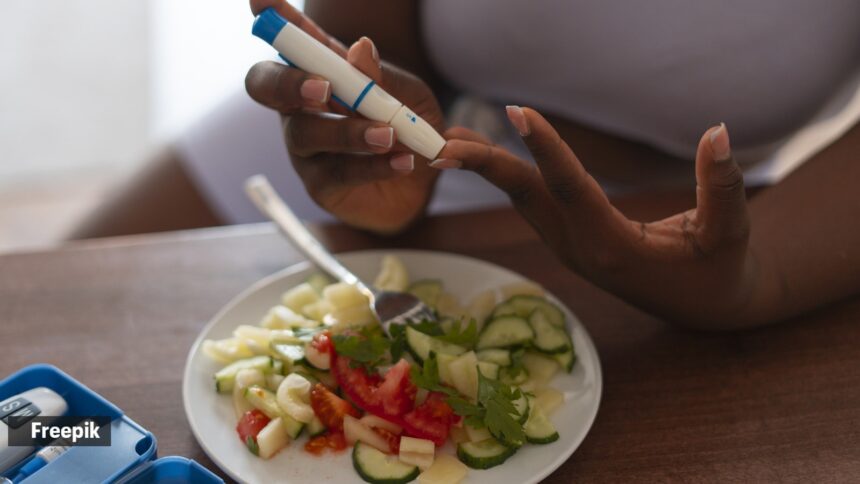
Notably, for those without access to CGM, structured self-monitoring of (SMBG) using a glucometer remains important. “Checking fasting, pre-meal, and post-meal sugars over several days can help identify patterns and guide therapy adjustments,” said Dr Negalur.
Another helpful marker is fructosamine, which shows average glucose levels over the past 2 to 3 weeks. “This can be especially useful when shorter-term monitoring is needed or when HbA1c may not be accurate,” said Dr Negalur.
In clinical practice, it’s important to combine these tools rather than rely on a single number. “Examining glucose trends, variability, and patient symptoms provides a clearer and actionable understanding of control,” said Dr Negalur.
So, the best strategy is tailored to the individual. “Factors such as access, cost, and patient comfort should guide the choice of monitoring method, ensuring it is practical and ,” said Dr Negalur.
DISCLAIMER: