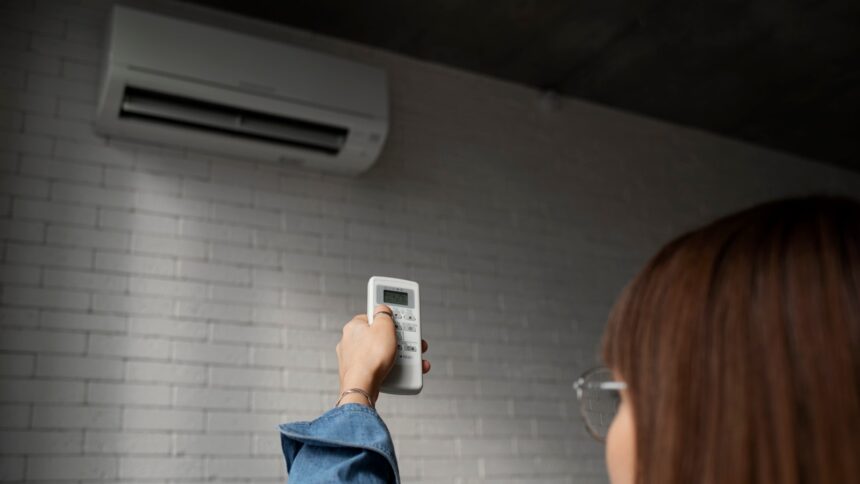
Air conditioners make life comfortable in hot weather, but a poorly maintained air conditioner (AC ) can affect your health, especially your lungs. With the rising temperature and occasional heatwave alerts across India, a well-functioning AC is truly the need of the hour. Like any other electronic gadget, your AC needs regular maintenance.
DISCLAIMER: This article is based on information from the public domain and/or the experts we spoke to. Always consult your health practitioner before starting any routine.
Bhasker Pandey, Asst. Vice President, Air Conditioning Systems, Mitsubishi Electric India, lists 5 key warning signs users should not overlook.
Regular maintenance by OEM-authorised professionals ensures optimal performance, improved energy efficiency, and extended equipment life. Pandey recommends periodic servicing using advanced diagnostic tools and genuine parts to prevent unexpected breakdowns.
From a lung or internal medicine expert’s point of view, Dr Sunil Kumar K, Lead Consultant – Interventional Pulmonology, Aster CMI Hospital, and Dr Shivaraj A L, Lead Consultant and HOD – Pulmonology, Aster Whitefield Hospital, share some clear signs that your is making you seriously sick.
A common sign is frequent sneezing, coughing, or a runny nose when you are in an air-conditioned room. This may happen due to dust, mould, or allergens accumulating in the AC filters and circulating through the air. “If you notice worsening of breathing problems like wheezing or tightness in the chest, it may trigger conditions such as Asthma or allergies,” says Dr Kumar.
Dr Shivaraj adds that his patients frequently describe their illness as a “summer cold” which includes constant sneezing, nasal congestion and mild fever that occurs when they spend extended time indoors.
Another sign is dryness in the throat, eyes, or skin.
The AC system continuously dries the air which leads to people developing dry skin and itchy skin and sore eyes and dehydration symptoms. Poorly serviced units can reduce indoor humidity too much, leading to irritation and discomfort.
A musty or unpleasant smell from the AC is a strong warning sign.
The malfunctioning AC system distributes dust and mold and allergens throughout the space which causes users to experience breathing problems and wheezing and sinus complications. “It may indicate mold or bacterial growth inside the unit, which can lead to infections or allergic reactions. In some cases, people may experience repeated throat infections or sinus issues, which can be linked to dirty AC systems,” says Dr Shivaraj.
Headaches, tiredness, or feeling heavy in the head while staying in rooms for long hours can also point to poor air quality or lack of fresh air circulation. According to Dr Shivaraj, research conducted in air-conditioned indoor spaces demonstrates that people report “heavy-headedness” and lethargy and decreased concentration because of inadequate airflow and elevated carbon dioxide levels inside the building.
Both health experts suggest preventive measures like cleaning filters at regular intervals, keeping indoor temperatures between 24 and 26 degrees Celsius, maintaining proper airflow and drink enough water. Regular maintenance, cleaning of filters, and proper ventilation can help protect your health and keep indoor air safe.