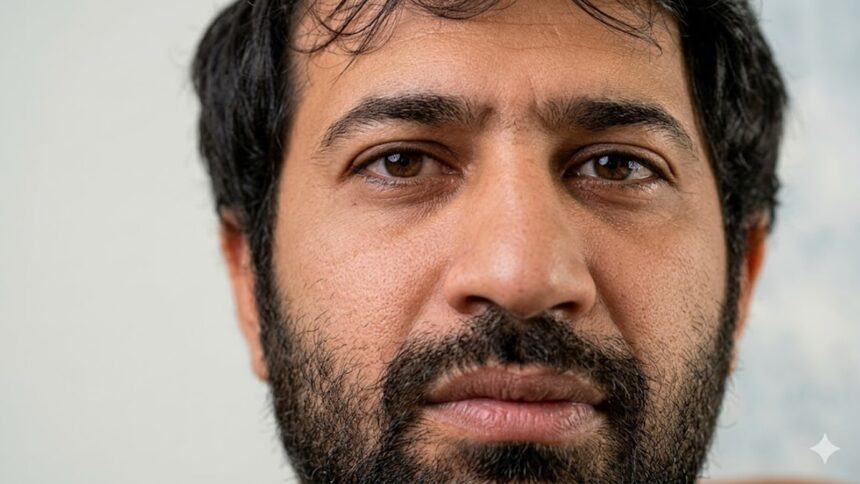
Youtuber Aaryamann Sethi recently opened up about struggling with weight gain and how he plans to lose it all. “This is another day of me trying. Life is not perfect. I am not perfect. I know I can do better. But it didn’t work out… whatever the reasons were. Today is a new day, so I will work out… even if it means going out and moving my for a while. I have to make it a habit. Today is the first day after a long time,” said Aaryamann, who is Archana Puran Singh and Parmeet Sethi’s firstborn son.
In his YouTube vlog, he can be doing stretching and then playing badminton with fiancée Yogita Bihani. “First day, it feels like your body is breaking. I have heard a lot from you guys..mota hogaya…ab dekhna, batata hun (I have put on …now I will show you)…,” he expressed.
DISCLAIMER:
Bihani added how he used to have a more slender physique than she did when they first met. “Time to get back. Let’s do it,” he shared.
Taking a leaf out of Aaryamann’s expression, we asked an expert how common this phase is among people.
“Weight gain, especially after a break from routine, is common, and the real challenge is not the gain itself but how you choose to respond to it,” said consultant dietitian and fitness expert Garima Goyal.
From a clinical perspective, weight gain after inactivity is often linked to a combination of reduced muscle mass, slower metabolic rate, and changes in eating patterns. “When workouts stop, the body’s energy expenditure drops, but don’t always adjust at the same pace. Over time, this creates a calorie surplus, leading to fat accumulation rather than muscle maintenance,” said Goyal.
What stands out in his journey is the decision to restart instead of restrict. “Many people react to weight gain with extreme dieting or crash plans, which can further disrupt metabolism, increase cravings, and lead to muscle loss. In contrast, gradually reintroducing exercise helps rebuild lean muscle, improve insulin sensitivity, and sustainably restore metabolic balance,” said Goyal.
Another important aspect is the mental reset that comes with restarting fitness. “Taking a break can often bring guilt or frustration, but approaching the comeback with rather than pressure makes a significant difference. The body responds better to steady habits than sudden extremes.”
Nutrition plays an equally crucial role here. “Supporting workouts with adequate protein intake, balanced carbohydrates, and proper hydration ensures that the weight loss, if any, comes from fat rather than muscle. Skipping meals or under-eating during this phase can actually slow down progress and impact energy levels.”
This also highlights an important truth about fitness journeys. “They are not linear. There will be phases of progress, pauses, and setbacks. The real transformation lies in your ability to come back stronger each time. The takeaway is simple. Weight gain is not failure. Not restarting is,” said Goyal.
DISCLAIMER: