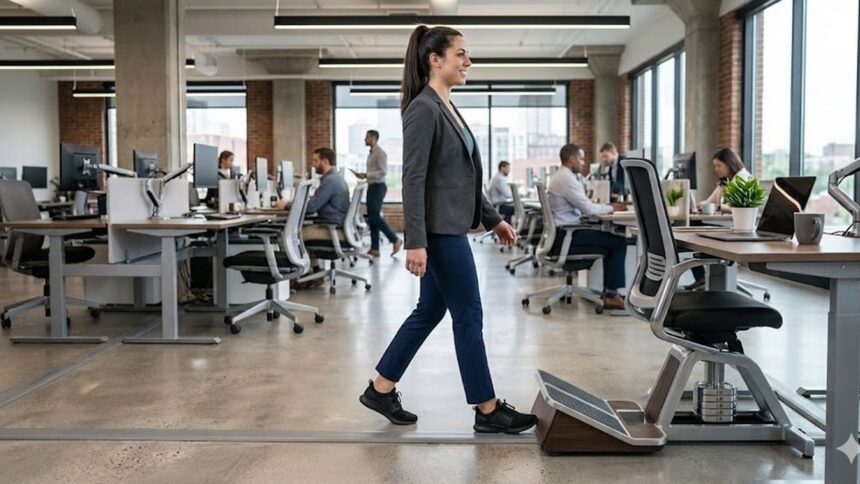
Seated calf raises exercise is said to be a good way to keep your blood flowing. But if you have a sedentary lifestyle due to work commitments, is it better to walk to stay active? We asked experts.
Dr Swapnil Zambare, a consultant in arthroscopy at KIMS Hospitals, Thane, emphasised that seated calf raises may seem simple, but they can be surprisingly helpful. “The calf muscles act like a ‘second heart’ by assisting blood flow from the lower body. When someone sits for long periods, circulation can slow down, leading to heaviness or swelling in the legs. Lifting the heels up and down while sitting keeps the active and supports better circulation. While they do not replace full-body movement, they are a practical way to stay active during long sitting hours,” said Dr Zambare.
According to Dr Zambare, walking is generally more effective because it works multiple muscle groups at once, including the legs, hips, and core. “It also improves blood circulation, supports heart health, and helps reduce stiffness from prolonged sitting. Even short walks of 5 to 10 minutes during breaks can make a noticeable difference. However, seated calf raises still have value, especially when getting up frequently isn’t possible. They help activate the calf muscles, which are important for pushing blood back toward the heart.”
What is the best approach for someone who sits most of the day?
For those with a sedentary lifestyle, both walking and seated calf raises are important, but their effectiveness may differ, shared Dr Rakesh Nair, consultant knee replacement surgeon at Zen Multispeciality Hospital, Chembur.
“Walking is beneficial as it activates multiple muscle groups, improves blood circulation, supports joint mobility, and reduces the risk of stiffness and blood clots. Many people choose to walk in case they are unable to do other activities. It also promotes cardiovascular health and helps maintain an optimum weight,” said Dr Nair.
Seated calf raises are useful when continuous isn’t possible, such as during long hours at a desk. “They tend to target the calf muscles, help improve venous return, and reduce swelling in the lower legs. However, they do not provide the full-body benefits that walking offers,” said Dr Nair.
A combination of both works best, affirmed Dr Zambare. “Standing up and walking every hour, even for a few minutes, helps the body reset and reduces . In between, seated movements like calf raises, ankle rotations, or stretching can keep the legs engaged.”
Small, consistent actions throughout the day are more effective than doing a long workout once and then staying inactive. Keeping the body moving in simple ways can greatly help maintain joint comfort and overall mobility.
DISCLAIMER: