



Some rules of nature, we assume, are fixed — and ageing is one of them. Birth, growth, maturity, decline, death. That’s the expected script for every living being. But what if that script could be edited? In the natural world, a few extraordinary species bend this rule in surprising ways. Some can regrow entire body parts. Some show almost no signs of ageing. And one tiny jellyfish can even rewind its life cycle back to childhood after reaching adulthood. Through cellular renewal, powerful stem cells, or life-cycle reversal, these animals seem to “age backwards.” Here are five of the most fascinating examples.
this tiny marine creature has an almost sci-fi ability. When stressed or injured, it can revert from its adult medusa stage to its juvenile polyp form through a process called transdifferentiation, in which its cells transform into different types. In theory, this reset button could be pressed repeatedly. In reality, most don’t live forever due to predators or disease — but the biological trick is remarkable.
Hydra are small freshwater relatives of jellyfish that seem to age so little. Scientists describe them as showing “negligible senescence,” meaning they don’t exhibit the usual signs of physical decline over time. Their secret lies in constantly active stem cells that keep renewing their tissues. In laboratory conditions, they can maintain this regenerative ability indefinitely.
The axolotl, a Mexican salamander, is famous for its almost magical healing powers. It can regrow limbs, parts of its spinal cord, sections of the heart, and even brain tissue — all without scarring. While it doesn’t literally reverse ageing, its ability to form a regeneration structure called a blastema allows it to repair damage in ways most vertebrates cannot.
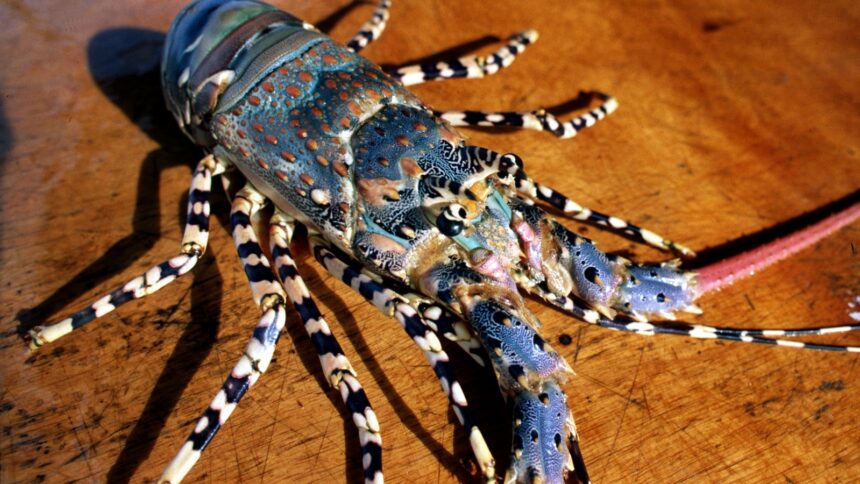
Lobsters are often labelled “biologically immortal” because they , an enzyme that repairs DNA, throughout their lives. This allows them to keep growing and moulting even at large sizes, and they can remain fertile for decades. Some have been known to live beyond 50 years. However, they don’t age backwards. As they grow bigger, moulting becomes more dangerous and energy-intensive, and many eventually die from size-related complications like moulting failure rather than traditional ageing.
Planarians (triclads) are free-living flatworms that include hundreds of species, found in freshwater, marine, and terrestrial habitats. These simple flatworms have astonishing regenerative powers. Thanks to special stem cells called neoblasts, they can regrow an entire body from just a fragment. This whole-body renewal means they show negligible senescence and, under ideal conditions, may live indefinitely.



