Food is one of the most basic and primal needs of humans. Many of us even become “hangry” when not fed properly. But did you know that some animals can survive easily without food, even for years? By slowing their metabolism, storing fat, or entering dormancy, these animals can easily spend this time without eating. Here are eight such species that would put any diet follower to shame!
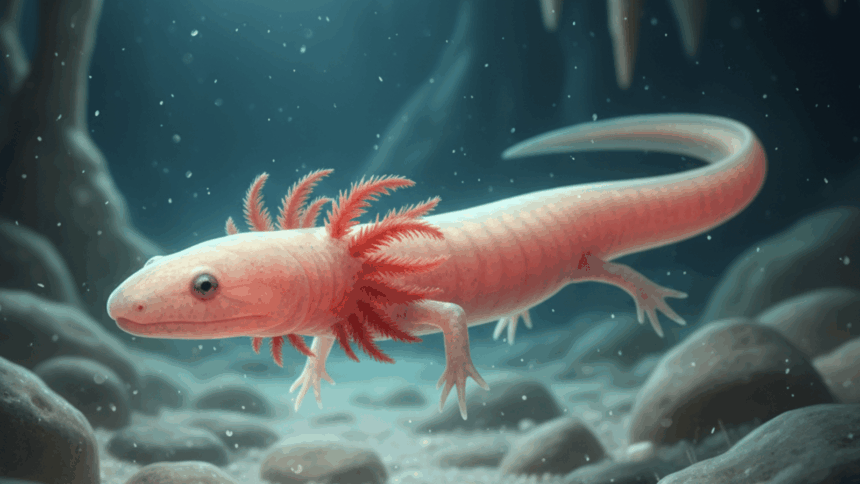
This blind cave salamander from European underground rivers can survive without food for over 10 years. Lab studies show its metabolism drops to almost zero in foodless caves, allowing it to conserve energy in extremely nutrient-poor waters.
Brown bears hibernate for about seven months without eating. During this time, they recycle waste products to prevent muscle loss and survive entirely on fat reserves built up before winter.
This venomous snake from Japan holds a Guinness World Record for fasting, surviving more than three years without food. After a large meal, it stores fat and drastically slows its heart rate to conserve energy.
regularly fast for over four months during breeding, with a recorded maximum of 134 days. They rely on thick fat reserves and conserve heat by huddling together on Antarctic ice.
Crocodiles can survive two to three years without eating, both in the wild and in captivity. They slow their heart rate and digestion after meals, using stored fat to stay alive until prey becomes available.
These Australian frogs can remain buried in mud cocoons for two to five years during droughts. In this state, their metabolism drops sharply until rain triggers their return to activity and breeding.
Tardigrades enter a dormant state called cryptobiosis, which allows them to survive for decades without food or water. After rehydration, they revive and resume normal activity as if time had paused.
Desert snails seal themselves inside their shells and can survive for several years without food. Studies from arid regions like the Negev Desert show they can revive even after four years of dryness.