The Digital Disruption: How OTT Platforms Are Fundamentally Reshaping the Soul of Indian Cinema
For over a century, the cinematic experience in India was a sacred ritual. It was defined by the collective gasp of a packed hall, the scent of popcorn and samosas, and the larger-than-life projection of stars on a silver screen. This monolithic model, dominated by the star-driven, song-and-dance, three-hour “masala” film, went largely unchallenged for decades. Then came the digital tsunami.
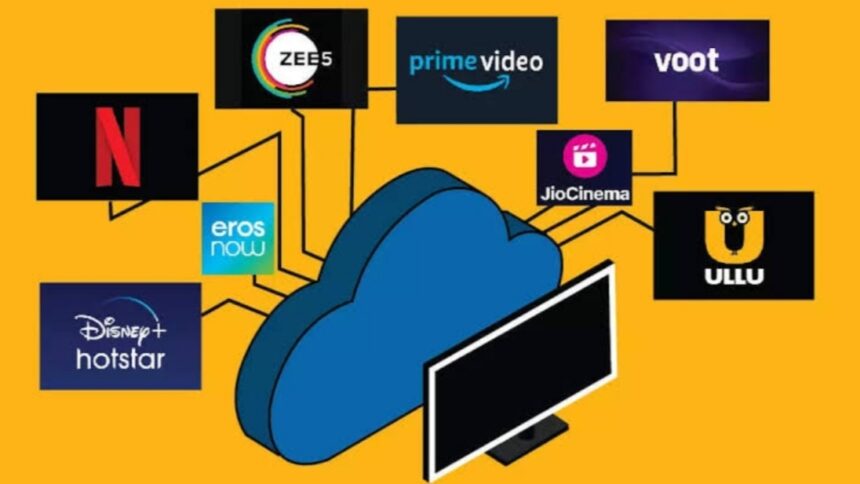
The rise of Over-The-Top (OTT) media platforms—Netflix, Amazon Prime Video, Disney+ Hotstar, and a host of Indian players like JioCinema and ZEE5—has triggered the most profound transformation in Indian cinema since the advent of sound. This is not merely a new distribution channel; it is a paradigm shift that is altering the very DNA of how stories are conceived, crafted, and consumed. The single-screen theatre has been joined, and often challenged, by the smartphone screen, and in the process, Indian storytelling is undergoing a creative renaissance.
This analysis delves into the multifaceted impact of OTT platforms, exploring how they have dismantled old hierarchies, democratized content, and ignited a new golden age for Indian narratives.
Part 1: The Creative Liberation: Breaking the Formulaic Mold
The most significant impact of the OTT revolution has been the creative emancipation it has granted to writers, directors, and actors.
1.1. The Demise of the “Theatrical Template”
Traditional cinema was constrained by a rigid, risk-averse formula: a bankable star, a set number of songs, an interval twist, and a climax designed for a cheering crowd. OTT platforms, funded by subscription models rather than box office opening weekends, have shattered this template.
-
Genre Explosion: Platforms have unleashed an unprecedented diversity of genres. Niche subjects that would have been commercial suicide in theatres—like the slow-burn psychological thriller (Sacred Games), the small-town crime saga (Mirzapur), or the nuanced exploration of modern relationships (Made in Heaven)—have found massive, dedicated audiences.
-
Narrative Complexity and Anti-Heroes: Series formats allow for layered, long-form storytelling with complex character arcs. This has given rise to the Indian anti-hero—flawed, morally ambiguous, and intensely compelling characters like Sartaj Singh (Saif Ali Khan) in Sacred Games or Guddu Pandit (Ali Fazal) in Mirzapur. Such characters were previously deemed “unlikeable” and therefore unviable for a mass theatrical audience.
-
The End of the “Item Number”: While music remains important, the obligatory song-and-dance sequence that often derailed a film’s narrative is no longer a prerequisite. Stories can maintain their pace and tone, with music being integrated more organically, as seen in the haunting background score of Paatal Lok.
1.2. The Writer’s Renaissance
In the theatrical model, the director and star were the primary auteurs. On OTT, the writer has been restored to the center of the creative process. Showrunners and writers like Varun Grover (Sacred Games), Sudip Sharma (Paatal Lok, Kohrra), and Reema Kagti (Made in Heaven) are now household names. The complexity of their plots and the authenticity of their dialogue are the main selling points, marking a fundamental power shift from spectacle to script.
Part 2: The Democratization of Stardom and Storytelling
OTT has systematically dismantled the gatekeepers of Bollywood, creating a more inclusive and meritocratic ecosystem.
2.1. The Rise of the “Content King”
The reliance on a handful of A-list stars to “open” a film has significantly reduced. OTT success is driven by the strength of the story and the power of the performance, not the face on the poster.
-
Career Revivals for Character Actors: Esteemed actors like Jaideep Ahlawat (Paatal Lok), Pankaj Tripathi (Mirzapur), and Tillotama Shome (Delhi Crime) have become leading stars, their talent finally receiving the widespread recognition it deserves.
-
The New Stars: A new breed of performer has emerged, valued for their acting chops rather than their box-office pull. Actors like Pratik Gandhi (Scam 1992), Sanya Malhotra (Kathal), and Vijay Varma (Dahaad, Mirzapur) have shot to fame solely on the back of powerful OTT performances.
2.2. Regional Goes National, and Global
OTT platforms have erased linguistic borders within India. A Malayalam film like Joji or a Marathi series like Samantar can now find audiences in Delhi and Kolkata without the need for a expensive, often poorly-dubbed Hindi remake. This has:
-
Enriched the National Narrative: It has exposed audiences to diverse cultures, dialects, and storytelling traditions, fostering a more pan-Indian cinematic culture.
-
Created a Global Marketplace for Indian Stories: Sacred Games, Delhi Crime, and Lust Stories have been watched by millions globally, presenting a modern, multifaceted image of India that moves beyond the exoticized poverty or song-and-dance clichés of mainstream Bollywood.
Part 3: The Economic Reconfiguration: New Models, New Money
The business of entertainment has been fundamentally rewritten, creating both opportunities and upheaval.
3.1. The Subscription Model vs. The Box Office
Theatrical success is a high-stakes, weekend-long gamble. OTT revenue is more stable, based on subscriber retention and long-term engagement. This has altered financing dynamics:
-
Mid-Budget Resurgence: The “middle cinema”—thoughtful, story-driven films without A-list stars—had nearly vanished from theatres. OTT has provided a profitable home for these films, from the social satire of Dasvi to the poignant drama of Sir.
-
Data-Driven Decisions: Platforms use sophisticated data analytics to understand viewer preferences, which influences the greenlighting of projects. While this can lead to a focus on proven formulas, it also de-risks investment in unconventional ideas that data shows have a latent audience.
3.2. The Theatrical vs. OTT Dilemma
The relationship between cinema halls and streaming platforms is complex and often adversarial. The COVID-19 pandemic accelerated the trend of direct-to-OTT releases, causing a major rift. The current, evolving model is a hybrid one:
-
Theatrical First, OTT Later: Big-budget spectacles like RRR and Brahmāstra still rely on a theatrical run to recoup their massive costs, followed by a lucrative OTT rights sale.
-
The 4-Week Window: A fragile truce has been established, with most major films now having a theatrical exclusivity window of around four weeks before streaming, balancing the needs of both exhibitors and platforms.
Part 4: The Societal Mirror: Reflecting a More Authentic India
OTT content has proven to be a more fearless and contemporary reflection of Indian society than mainstream cinema often dared to be.
-
Taboo Topics and Bold Narratives: Platforms have tackled subjects that were traditionally considered taboo for Indian audiences—complex sexuality (Made in Heaven, Lust Stories), mental health (Four More Shots Please!), caste politics (Paatal Lok), and gritty police procedurals (Delhi Crime). This has sparked national conversations and given voice to marginalized experiences.
-
Grey Shades of Morality: Unlike the clear-cut good vs. evil narratives of traditional cinema, OTT shows thrive in the grey areas. They explore systemic corruption, moral compromises, and the flawed nature of institutions and individuals, presenting a more nuanced and adult view of the world.
Part 5: The Challenges and The Road Ahead
The OTT revolution is not without its growing pains.
-
Content Saturation and Discoverability: With hundreds of shows and films being released every month, “content fatigue” is real. Cutting through the noise and getting a show discovered is a major challenge for creators.
-
The Censorship Conundrum: Operating in a largely unregulated space, OTT platforms have faced backlash for content deemed offensive or obscene. This led to the creation of a self-regulatory body and increasing government scrutiny, raising concerns about creative freedom.
-
The Quality Quandary: The pressure to constantly feed the content pipeline can sometimes lead to a decline in quality, with shows suffering from bloated episodes or unsatisfying endings.
A Symbiotic Future, Not a Replacement
The narrative of OTT platforms “versus” traditional cinema is overly simplistic. The future is not about replacement, but about symbiosis and segmentation.
Theatres will evolve to offer what OTT cannot: the immersive, communal, event-viewing experience for spectacle-driven blockbusters. They will be the home for the “big screen” movie.
OTT platforms will be the primary home for diverse, nuanced, and long-form storytelling. They will serve as the incubator for new talent, the haven for mid-budget cinema, and the global ambassador for Indian stories.
The true winner in this digital disruption is the Indian viewer. They now have an unprecedented smorgasbord of choices, from the cosmic spectacle of a Baahubali in a theatre to the gritty realism of a Scam 1993 on their laptop. The OTT revolution has, at its core, dismantled a monopoly on storytelling. It has returned power to the audience, allowing them to vote with their clicks, and in doing so, it has compelled the entire Indian film industry to raise its creative game. The show has just begun, and the next act promises to be even more compelling.