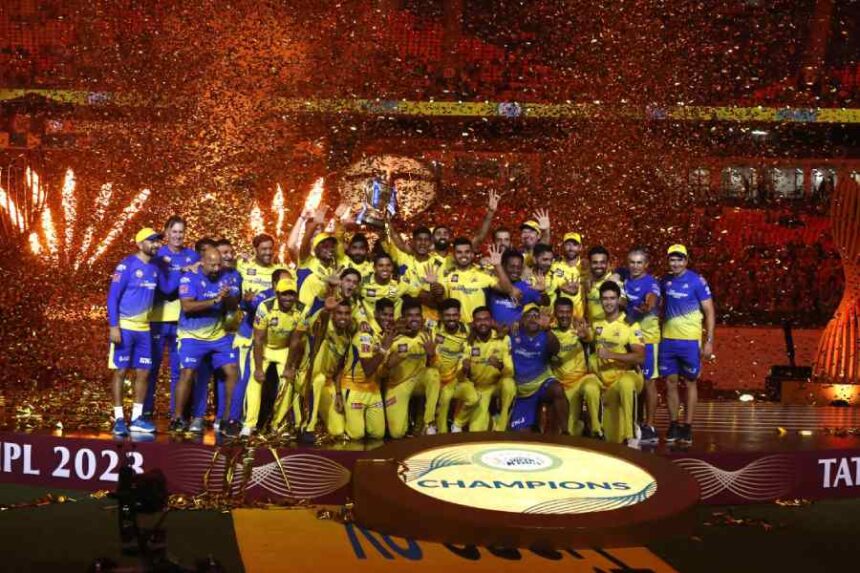
The IPL Revolution: How a Cricket League Redefined India’s Sporting Soul
Before 2008, the rhythm of Indian sports culture was predictable, almost ritualistic. Cricket was a religion, but its worship was confined to international fixtures and storied rivalries like India-Pakistan. Other sports flickered intermittently on the national consciousness, celebrated during Olympic medals or Asian Games glories, but failing to sustain a permanent flame. The ecosystem was hierarchical, with cricket at the apex, and a vast chasm separating it from everything else.
Then, on April 18, 2008, the Indian Premier League (IPL) launched. It was not merely the introduction of a new cricket tournament; it was a cultural and economic big bang that fundamentally altered the gravitational pull of Indian sports. The IPL did not just change cricket; it recalibrated the entire sports culture of a nation of over a billion people. Its impact transcends the boundary ropes, having reshaped entertainment, business, fandom, and the very aspirations of a generation.
This analysis delves into the multifaceted revolution engineered by the IPL, exploring how it transformed India from a nation of cricket lovers into a thriving, commercialized, and diverse sports economy.
Part 1: The Genesis of a New Paradigm
To understand the IPL’s impact, one must first appreciate the vacuum it filled. The existing structure was a duality: international cricket consumed mass attention, while domestic cricket, despite its talent, was played in near-empty stadiums with minimal commercial appeal. The IPL’s genius was in synthesizing these two worlds through a radical new model.
1. The Franchise Model: Injecting Glamour and Rivalry
The IPL replaced anonymous state teams with city-based franchises. This was a masterstroke. By attaching teams to metropolises like Mumbai, Kolkata, and Chennai, it instantly forged deep, parochial loyalties. A fan from Kolkata no longer just supported India; they bled for the Kolkata Knight Riders. This created a tribal identity akin to European football clubs, fostering a year-round connection that international cricket, with its sporadic schedule, could not.
2. The Entertainment Spectacle: Cricket as a Product
The IPL was conceptualized not as a sporting contest, but as a prime-time entertainment product. It borrowed from the playbook of Hollywood and Bollywood, understanding that the modern consumer demanded more than just sport.
-
The T20 Format: The fast-paced, three-hour format was perfect for an urban audience with limited time and a shorter attention span. Every ball was an event.
-
The Bollywood Gloss: Team owners from the film industry (Shah Rukh Khan, Preity Zinta) brought star power, ensuring the league was covered on entertainment news channels, not just sports pages. Cheerleaders, team anthems, and celebrity appearances turned the stadium into a vibrant carnival.
-
High-Octane Broadcast: Star India’s production values were revolutionary. Player microphones, multiple camera angles, strategic time-outs for advertisements, and slick graphics made the broadcast an immersive experience.
Part 2: The Economic Big Bang – Creating a Multi-Billion Dollar Ecosystem
The IPL’s most tangible impact was its creation of an entire sports economy where one barely existed before.
1. The Commercial Juggernaut: Media Rights and Sponsorships
The IPL demonstrated the colossal monetary value of domestic Indian sport.
-
Media Rights: The 2008 deal with Sony-WSG was groundbreaking. Subsequent deals have shattered records, with the 2023-27 cycle being sold to Viacom18 and Star for a staggering ₹48,390 crore (≈ $6.2 billion). This proved that a domestic league could command a valuation rivaling global sporting properties.
-
Sponsorship Boom: The league created a multi-tiered sponsorship model (Title Sponsor, Associate Partners, etc.), allowing dozens of brands to associate with the cricket craze. This funneled unprecedented capital into the game.
2. The Professionalization of Cricket: Athletes as Brands
Pre-IPL, only a handful of top Indian cricketers were wealthy celebrities. The league created a massive, prosperous middle class of cricketers.
-
Financial Empowerment: The auction system turned domestic players into crorepatis overnight. A talented cricketer from a small town could now build generational wealth through a single contract, making cricket a viable and highly aspirational career.
-
The Rise of the Specialist: The IPL created new roles and valued specialized skills. The “death bowler,” the “power-hitter,” and the “360-degree batsman” became coveted specialists, refining the very skillset required in modern cricket.
Part 3: The Cultural Metamorphosis – Reshaping Fandom and Aspiration
Beyond economics, the IPL engineered a profound shift in the social and cultural fabric of Indian sports.
1. The Democratization of Fandom
The franchise model democratized fan engagement. You didn’t need to be an expert on technique to be a fan; you could support a team for its owner, its colours, or its city. This broadened cricket’s appeal, bringing in women, children, and casual viewers who were previously indifferent to the sport’s technical nuances.
2. The Normalization of Rivalries and Global Collaboration
The IPL broke down nationalist barriers within the sport. For two months, an Indian fan in Chennai would passionately cheer for MS Dhoni, while also roaring for a blistering knock from their West Indian import, Dwayne Bravo. This normalized the idea of supporting foreign players, fostering a more global outlook among fans. The fierce but healthy rivalries between teams like CSK and MI became central to the Indian sporting calendar, creating narratives that extended beyond international cricket.
3. A Blueprint for Other Sports
The IPL’s single greatest contribution to Indian sports culture was providing a proven, successful blueprint. It demonstrated that a city-based, franchise-owned, heavily marketed league could work in India.
-
The Ripple Effect: The success of the IPL directly inspired the creation of other professional leagues. The Indian Super League (ISL) in football, the Pro Kabaddi League (PKL), and the Premier Badminton League (PBL) all adopted the IPL’s core model.
-
Legitimizing Non-Cricket Sports: These leagues, particularly the PKL, showed that there was a market for non-cricketing sports if they were packaged professionally. They provided a platform, financial stability, and celebrity status to athletes in sports that were previously ignored by the mainstream media.
Part 4: The Infrastructure and Grassroots Revolution
The IPL’s wealth and demand for quality catalyzed a massive upgrade in sporting infrastructure and talent development.
1. World-Class Stadiums and Facilities
The need to host IPL matches forced state associations and private entities to upgrade stadiums, improving amenities for players and spectators alike. The league set new standards for pitch quality, lighting, and dressing rooms.
2. The Grassroots and Scouting Boom
Franchises, with significant financial investments at stake, could no longer rely on traditional talent pipelines. They established sophisticated scouting networks that reached into the smallest towns and villages of India. This systematic search for talent has unearthed gems like Jasprit Bumrah and Hardik Pandya, who may have otherwise struggled in the rigid domestic structure.
Part 5: The Challenges and The Road Ahead
The IPL’s journey has not been without its controversies, which also form a part of its cultural impact. Issues of corruption, player burnout, and the immense pressure on young talents are ongoing challenges. The league’s commercial dominance has also led to debates about its impact on Test cricket and the future of the international game.
From a Sport to a Sporting Culture
The IPL did not just change cricket; it changed India’s relationship with sport itself. It transformed cricket from a seasonal pursuit into a year-round obsession with its own ecosystem of analysis, speculation (through fantasy leagues), and commerce. More importantly, it instilled a belief that India could not only consume world-class sport but could also produce a world-class sporting product.
It taught entrepreneurs that sports could be a viable business, taught broadcasters that Indian leagues could command global prices, and taught a generation of children that being an athlete—in cricket, kabaddi, or badminton—was a legitimate and celebrated profession. The IPL turned the stadium into a carnival, the player into a brand, and the fan into a stakeholder. In doing so, it irrevocably shifted India’s sporting culture from a monotheistic devotion to cricket towards a more vibrant, competitive, and commercially robust polytheism of sporting entertainment.