On his podcast, Raj Shamani asked author and researcher Karan Sarin a question many silently wonder about: “How do I know that I am insulin resistant?” Responding, Sarin pointed to visible markers — skin tags around the neck, increasing waist size, high blood pressure, erectile dysfunction (ED) in men and PCOS in women — suggesting these could strongly indicate insulin resistance.
But how accurate are these signs? To substantiate the topic, we spoke to Dr Himika Chawla, Senior Consultant, Endocrinology and Diabetology, PSRI Hospital, , who explains what truly signals insulin resistance, and what requires proper testing.
“Skin tags and a growing waistline can be early visible clues of insulin resistance, especially when fat accumulates around the abdomen,” says Dr Chawla.
She explains that chronically high insulin levels may stimulate skin cell growth, leading to the formation of skin tags. Central obesity — fat concentrated around the abdomen — is also strongly associated with metabolic dysfunction.
However, she cautions against self-diagnosis.
“These signs alone are not reliable for diagnosis. Many people may have skin tags without metabolic issues, while others with insulin resistance may show no obvious physical signs,” Dr Chawla clarifies.
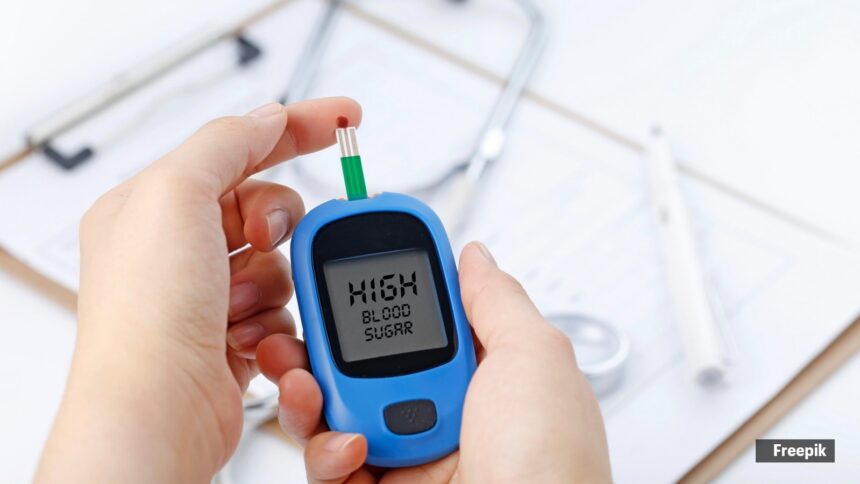
“Blood tests such as fasting glucose, fasting insulin and HOMA-IR are necessary for proper confirmation,” she emphasises.
According to Dr Chawla, the connection is significant. “There is a strong link between insulin resistance and both erectile dysfunction and Polycystic Ovary Syndrome,” she explains.
In men, insulin resistance affects vascular health and hormonal balance. “It impairs blood vessel function and may alter testosterone levels, increasing the risk of erectile dysfunction,” says Dr Chawla. In women, insulin resistance plays a central role in PCOS.
“It triggers excess androgen production, leading to irregular menstrual cycles, acne, weight
However, she adds an important nuance: “Not every case of ED or PCOS is caused by insulin resistance, but it is a major contributing factor in many patients.”
“Commonly used tests include fasting blood glucose, fasting insulin levels and calculation of HOMA-IR,” she says.
An Oral Glucose Tolerance Test (OGTT) can further assess how effectively the body processes sugar. “The hyperinsulinemic-euglycemic clamp is considered the gold standard, ,” Dr Chawla explains.
She stresses that no single test tells the full story. “A combination of clinical evaluation and laboratory investigations provides the most accurate assessment.”
“In its initial stages, insulin resistance can be significantly improved — and sometimes reversed — with lifestyle changes,” says Dr Chawla.
She highlights key pillars:
However, more advanced cases may require medical support. “If insulin resistance has progressed to prediabetes, type 2 diabetes or severe PCOS, medications such as metformin may be needed alongside lifestyle modification,” she explains. Early action, she reiterates, is crucial.
DISCLAIMER: This article is based on information from the public domain and/or the experts we spoke to. Always consult your health practitioner before starting any routine